Have you ever heard of Shiatsu?
Shiatsu is often described as a traditional Japanese therapy that uses finger pressure on specific points of the body. You may also see it called “Japanese acupressure.”
But is Shiatsu simply about pressing pressure points?
To explore this question, Book Massage Japan spoke with the owner of Musasabi Massage & Shiatsu, a treatment clinic in Shirokane-Takanawa, Tokyo. As a nationally licensed Anma Massage Shiatsu practitioner, the owner shared a fascinating perspective: Shiatsu is much more diverse than many people realize.
In Japan, practitioners can hold the same national qualification yet approach Shiatsu in very different ways. Their training, experience, techniques, and understanding of the body all influence how they practice.
One idea from our conversation particularly stood out:
“One hundred practitioners, one hundred ways of Shiatsu.”
So, what exactly is Shiatsu, and what makes each practitioner’s approach different? Let’s take a closer look.
- What Exactly Is Shiatsu? More Than Just Pressure Points
- Do Shiatsu Practitioners in Japan Need a National License?
- Does a Clinic's Name Tell You Whether Its Practitioners Are Licensed?
- Is Shiatsu Just About Pressing Pressure Points?
- Shiatsu vs. Acupressure: Are They Really the Same?
- Why No Two Shiatsu Practitioners Work Exactly the Same Way
- “One Hundred Practitioners, One Hundred Ways of Shiatsu”
- What Happens During a Shiatsu Session?
- Shiatsu vs. Massage: What’s the Difference?
- Should Shiatsu Feel Painful? What the Pressure Should Feel Like
- What Does Shiatsu Feel Like?
- What Is Shiatsu Intended to Do? Understanding Its Purpose and Limits
- How to Choose a Shiatsu Practitioner in Japan
- Experience Japanese Shiatsu at Musasabi Massage & Shiatsu in Tokyo
- Shiatsu Is More Than One Standardized Technique
What Exactly Is Shiatsu? More Than Just Pressure Points

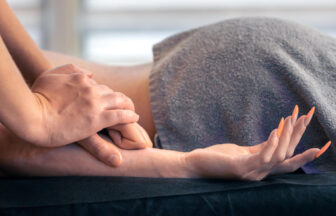
Shiatsu (指圧) is a Japanese hands-on therapy whose name literally combines two words: shi, meaning “finger,” and atsu, meaning “pressure.”
In general, practitioners use their fingers, thumbs, palms, and other parts of their hands to apply pressure to the body.
Shiatsu is often described as a form of Japanese acupressure. However, thinking of it simply as pressing specific points does not fully capture the range of approaches found in Japanese Shiatsu.
A practitioner’s approach may involve considering:
- Which areas of the body to focus on
- How pressure is applied
- How much pressure to use
- The condition of the muscles and surrounding tissues
- How different parts of the body relate to one another
These elements can vary from one practitioner to another. This is one of the most interesting aspects of Shiatsu: the name describes a broad practice, but it does not tell you everything about the treatment you will receive.
Do Shiatsu Practitioners in Japan Need a National License?
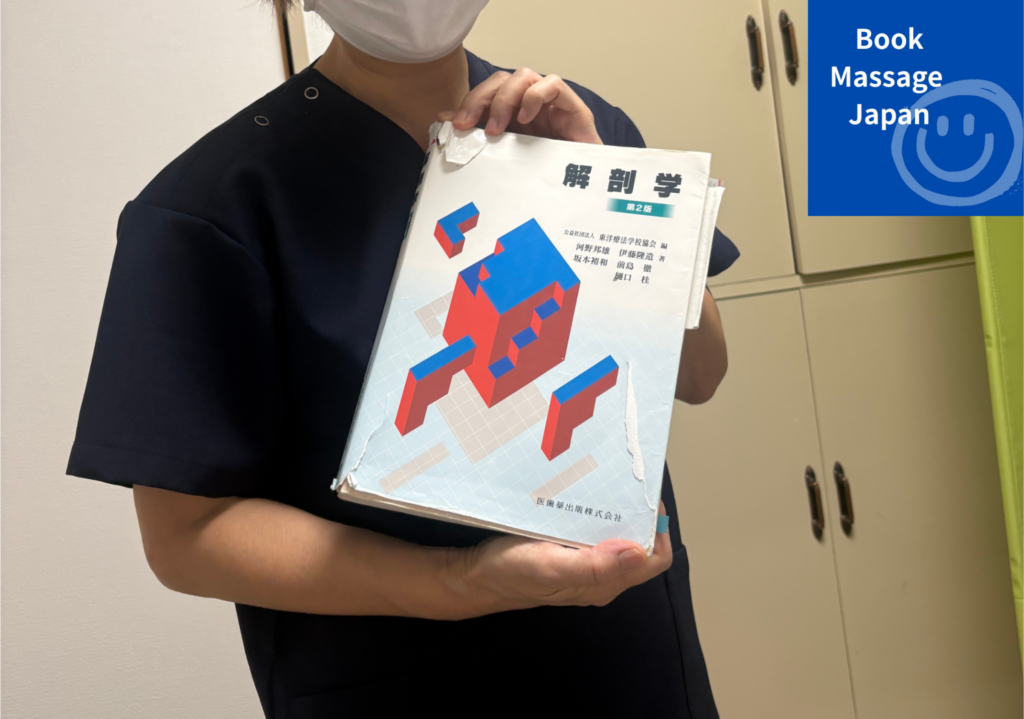
There is an important aspect of Japanese Shiatsu that international visitors may not know about: Japan has a national qualification called Anma Massage Shiatsu Practitioner.
The qualification covers anma, massage, and shiatsu under one licensing system. To obtain it, candidates must complete the required education at an approved school or training institution and pass the national examination.
This means that Shiatsu in Japan is not just a relaxation technique. It is also associated with a formal professional qualification and a regulated framework for practice.
However, having the same qualification does not mean that every practitioner uses the same techniques or follows the same philosophy.
Practitioners develop their own approaches through their education, additional training, professional experience, and the way they understand the human body.
For travelers interested in experiencing Japanese Shiatsu, this distinction is worth knowing.
Does a Clinic’s Name Tell You Whether Its Practitioners Are Licensed?
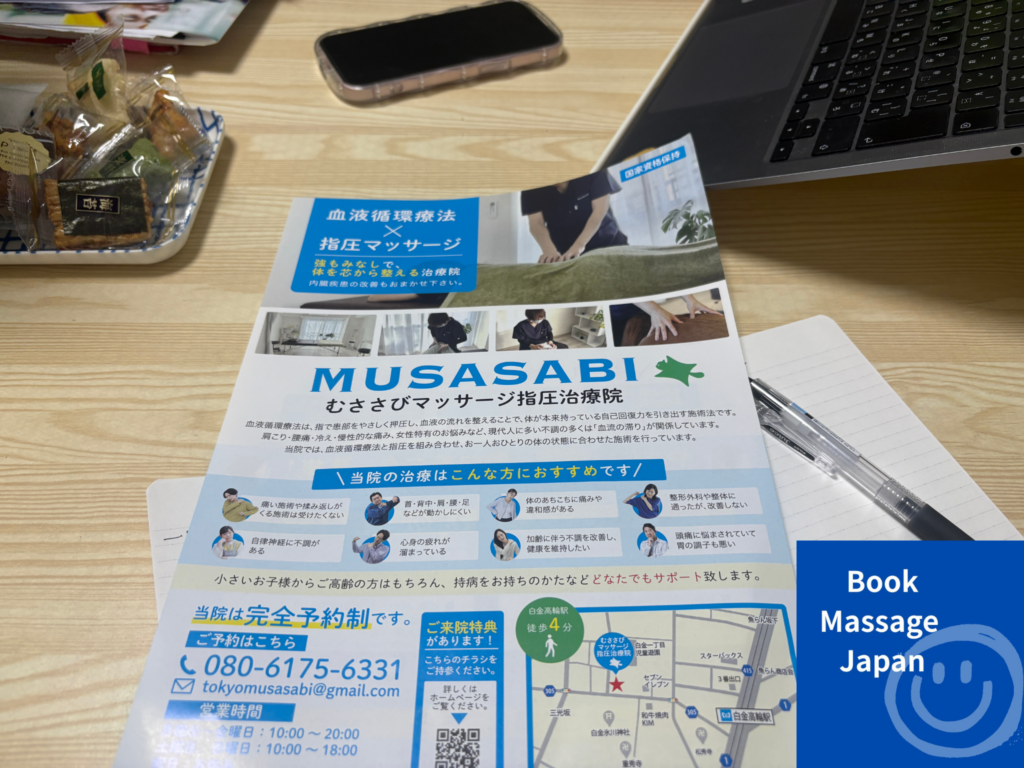
In Japan, the names of massage and shiatsu clinics can provide useful clues about the services they offer. However, a clinic’s name alone does not confirm whether its practitioners hold a national qualification.
Japan regulates the practice of anma, massage, and shiatsu, and its advertising guidelines address how treatment facilities should identify their services and qualifications. If you want to receive treatment from a nationally licensed practitioner, it is best to check their qualifications directly rather than relying on the clinic’s name alone.
For international visitors, understanding this distinction can help when choosing a Japanese massage or shiatsu provider.
Is Shiatsu Just About Pressing Pressure Points?
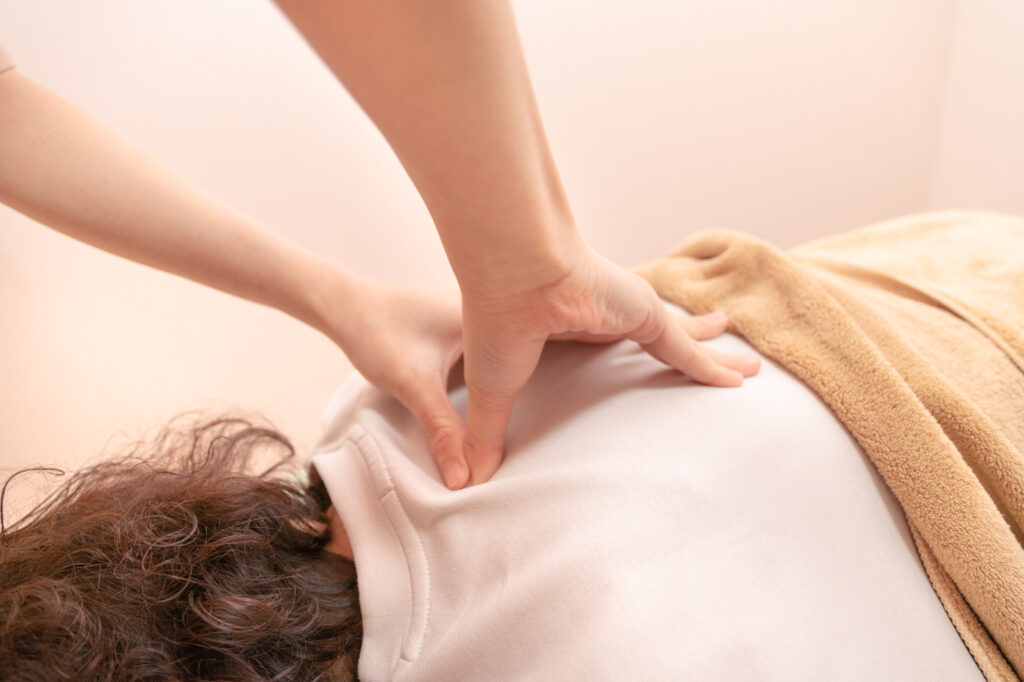
When people search for Shiatsu, they often find descriptions such as “Japanese massage that uses finger pressure on specific points.”
This is a useful starting point, but it can be an oversimplification.
Shiatsu involves applying pressure to the body, but practitioners may differ in what they focus on during a treatment.
For example, some approaches may pay particular attention to specific points, while others may place greater emphasis on areas that feel tense or on the condition of the muscles. Some practitioners may also consider the body as a whole rather than focusing on isolated areas.
The exact approach depends on the practitioner.
In other words, Shiatsu is not necessarily a matter of following a fixed sequence of pressure points. Understanding how a practitioner works can tell you much more about the treatment than the name alone.
Shiatsu vs. Acupressure: Are They Really the Same?
You may see Shiatsu translated as “Japanese acupressure” when researching Japanese wellness treatments in English.
The two terms share a general idea: applying pressure to the body using the hands or fingers. However, using “acupressure” as a complete explanation of Shiatsu may not convey the full range of approaches found in Japan.
Shiatsu has its own Japanese context, professional traditions, and varied approaches to treatment.
As our conversation with the practitioner at Musasabi Massage & Shiatsu revealed, there is no single style that describes every practitioner’s work.
If you are looking for Shiatsu in Japan, it is worth learning about the individual practitioner’s approach rather than relying only on the English description.
Why No Two Shiatsu Practitioners Work Exactly the Same Way
If practitioners can hold the same national qualification, why do their treatments differ?
One important reason is that professional development does not end when a practitioner receives a license.
Practitioners may have different educational experiences, learn from different teachers, pursue additional training, and build different kinds of experience over the course of their careers.
Their individual understanding of the body can also influence how they approach a treatment.
As a result, two practitioners may both offer Shiatsu while using different techniques, applying pressure differently, or placing emphasis on different aspects of the body.
The national qualification provides a common professional foundation, but it does not make every treatment identical.
“One Hundred Practitioners, One Hundred Ways of Shiatsu”
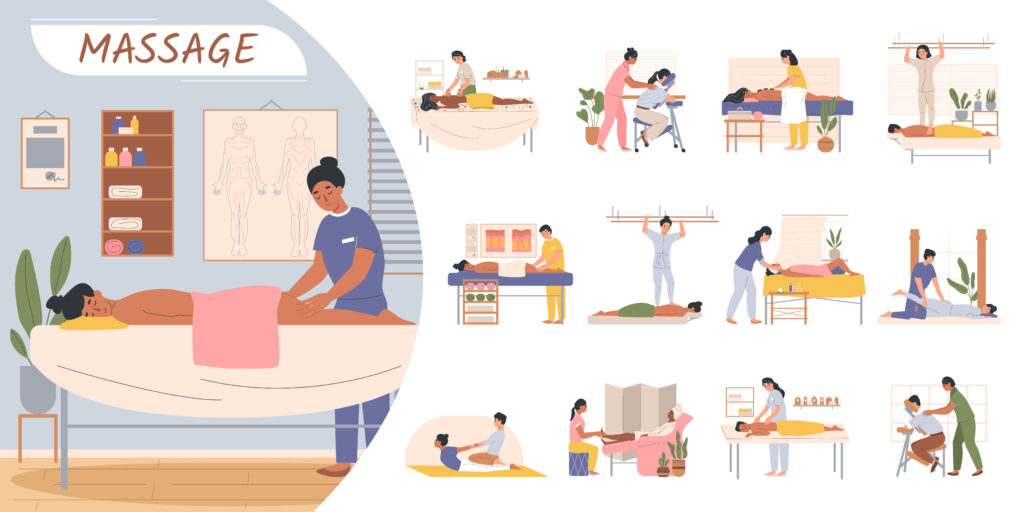
During our interview, one idea stood out: there can be as many approaches to Shiatsu as there are practitioners.
The phrase “one hundred practitioners, one hundred ways of Shiatsu” captures this diversity.
It is not an official definition of Shiatsu. Rather, it expresses the practitioner’s perspective on how individual experience, training, and philosophy shape a person’s work.
Imagine visiting two different Shiatsu practitioners in Tokyo. Both may be nationally licensed, yet one treatment may feel quite different from the other.
That does not automatically mean one is more authentic than the other. It may simply reflect differences in their approaches.
This is why learning about a practitioner can be just as important as knowing the name of the treatment.
What Happens During a Shiatsu Session?

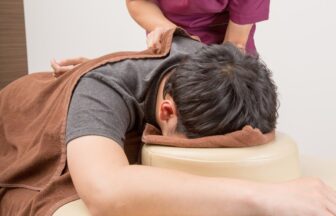
In general, Shiatsu involves applying pressure to the body with the fingers, thumbs, palms, or other parts of the hands.
However, the specific techniques and the way pressure is applied vary between practitioners.
The experience can depend on several factors, including:
- Where pressure is applied: Practitioners may focus on different areas of the body.
- How pressure is applied: The technique and direction of pressure can vary.
- How much pressure is used: Some practitioners use firmer pressure, while others take a gentler approach.
- The practitioner’s overall approach: The way a practitioner assesses and works with the body can influence the treatment.
If you have never tried Shiatsu before, you do not need to know all the technical details in advance. Asking the practitioner to explain their approach before your session can help you understand what to expect.
You can also let them know if you prefer lighter or firmer pressure.
Shiatsu vs. Massage: What’s the Difference?
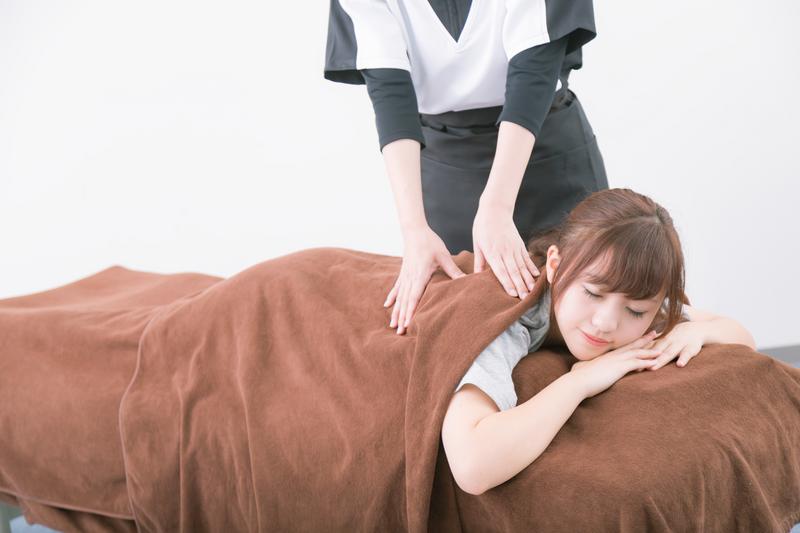
Shiatsu and massage are sometimes used interchangeably in everyday conversation, but they are not exactly the same term.
In Japan, anma, massage, and shiatsu are distinct practices with their own histories and techniques, although they fall under the same national qualification for Anma Massage Shiatsu practitioners.
Shiatsu is generally associated with applying pressure using the fingers and hands. Massage may involve other manual techniques, such as stroking, rubbing, or kneading.
In practice, however, techniques can vary, and these simple descriptions do not capture every practitioner’s approach.
If you want to understand the differences in more detail, see our guide to Japanese Massage vs. Western Massage.
Should Shiatsu Feel Painful? What the Pressure Should Feel Like
Some people imagine Shiatsu as a treatment that involves very firm pressure. But Shiatsu does not always have to be strong or painful.
Practitioners have different views on pressure, and the appropriate approach can depend on the individual and the purpose of the treatment.
The owner of Musasabi Massage & Shiatsu, for example, does not consider stronger pressure automatically better. The clinic’s approach takes the person’s condition into account when considering how much pressure to use.
This is an important point for first-time visitors: do not assume that a treatment is more authentic simply because it feels stronger.
If you prefer gentle pressure, say so before your session. If the pressure feels uncomfortable during treatment, let your practitioner know.

What Does Shiatsu Feel Like?
The sensation of Shiatsu varies depending on the practitioner, the techniques used, and your personal preferences.
Some people prefer firm pressure, while others feel more comfortable with a gentler touch. What feels pleasant or comfortable to one person may feel too strong to another.
There is no need to choose the strongest treatment to experience Shiatsu properly.
If you are trying Shiatsu for the first time, communicate your preferences before the session and speak up if you would like the pressure adjusted.
A good starting point is to ask the practitioner what kind of approach they use and explain what you are comfortable with.
What Is Shiatsu Intended to Do? Understanding Its Purpose and Limits
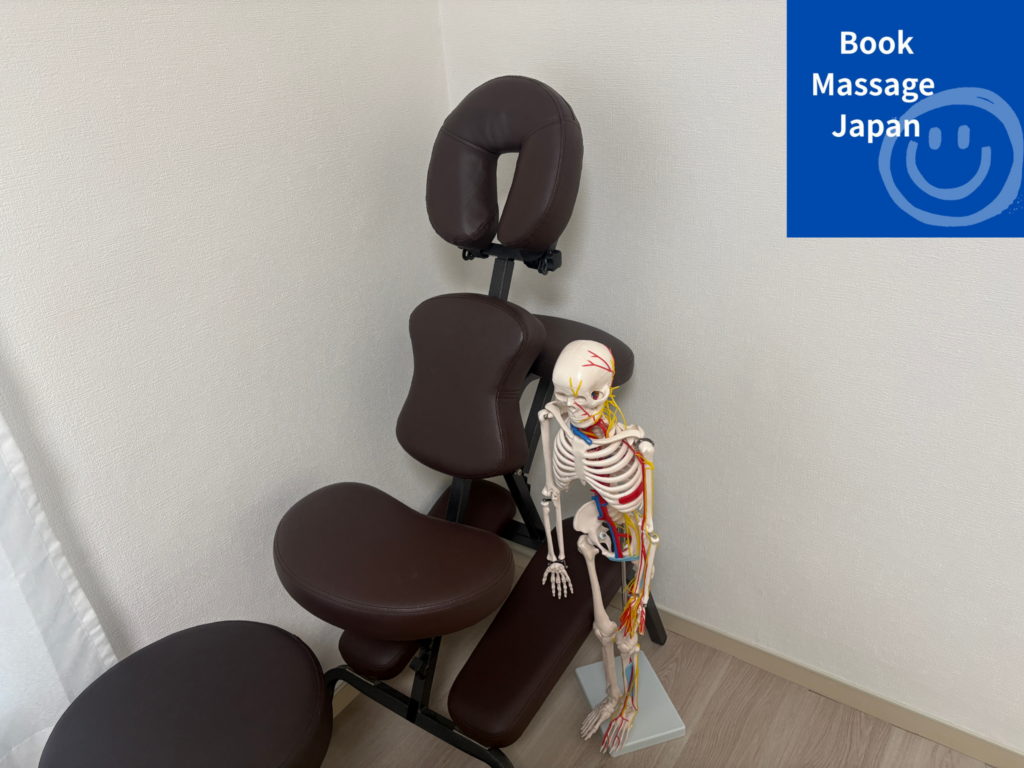
Shiatsu is not always approached as a relaxation treatment alone. Some practitioners work within a therapeutic framework that aims to help address physical discomfort or support the maintenance and improvement of health.
However, practitioners do not necessarily share the same philosophy or treatment goals, and the fact that a treatment is called Shiatsu does not mean it will cure a particular illness.
If you have a medical condition, are recovering from surgery, or have concerns about whether a treatment is appropriate for you, discuss this with a qualified healthcare professional and tell your practitioner about relevant concerns before the session.
It is important to understand what a particular practitioner offers rather than assuming that all Shiatsu treatments have the same purpose.
How to Choose a Shiatsu Practitioner in Japan

If you would like to experience Shiatsu during your trip to Japan, here are three things to consider.
1. Check the practitioner’s qualifications
Japan has a national qualification for Anma Massage Shiatsu practitioners. If having a nationally licensed practitioner is important to you, ask about their qualifications rather than relying on the treatment name alone.
You can find official information about the qualification on the Japanese Ministry of Health, Labour and Welfare website.
2. Ask about the practitioner’s style
Shiatsu can vary considerably from one practitioner to another.
Before booking, you might ask:
- Do you use firm or gentle pressure?
- What is your approach to Shiatsu?
- Can I request lighter pressure during the treatment?
These simple questions can help you decide whether the practitioner’s style sounds right for you.
3. Check communication and language support
If you do not speak Japanese, it is worth checking whether the clinic can communicate with international visitors.
Consider whether the staff can explain the treatment, understand your preferences, and respond if you need the pressure adjusted. English-speaking staff are helpful, but some clinics may also be able to communicate using translation tools.
A little preparation can make the experience more comfortable and help you enjoy this aspect of Japanese wellness culture.
Experience Japanese Shiatsu at Musasabi Massage & Shiatsu in Tokyo
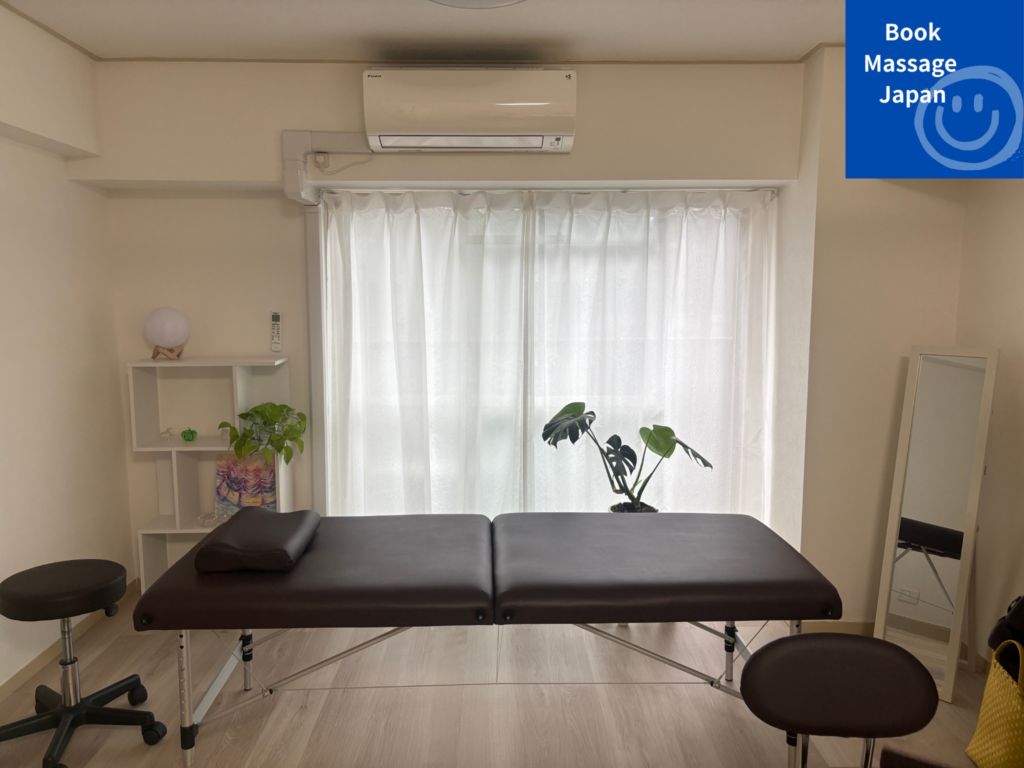
If you are interested in learning more about Japanese Shiatsu, Musasabi Massage & Shiatsu is a clinic in Shirokane-Takanawa, Tokyo, whose owner shared professional insights for this article.
Our conversation explored what Shiatsu means, how practitioners develop different approaches, and why the treatment cannot be fully understood by thinking of it simply as pressing pressure points.
To learn more about the clinic and its services, visit the official website:
Musasabi Massage & Shiatsu — Official Website
Please check the clinic’s website for current treatment details and booking information before visiting.
Shiatsu Is More Than One Standardized Technique

Shiatsu is often introduced as Japanese finger-pressure therapy. While that description provides a starting point, it does not tell the whole story.
Japan has a national qualification for Anma Massage Shiatsu practitioners, yet practitioners can develop different techniques and philosophies through their education and experience.
As the owner of Musasabi Massage & Shiatsu explained, there can be many different approaches to Shiatsu—even among practitioners who hold the same qualification.
So when you choose Shiatsu in Japan, you are not simply choosing a treatment name. You are also choosing a practitioner and their individual approach.
That is what makes Japanese Shiatsu worth exploring: the experience can be as individual as the person providing it.


この記事へのコメントはありません。