If you’re planning a trip to Japan, you may be curious about trying a traditional Japanese massage. Many international travelers are familiar with oil massages, Swedish massage, or spa treatments, but Japanese massage can feel quite different.
So what exactly is Japanese massage, and how does it differ from Western massage?
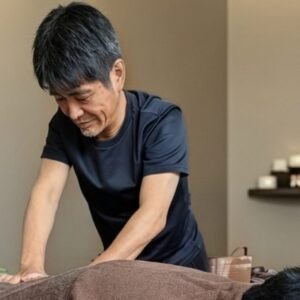
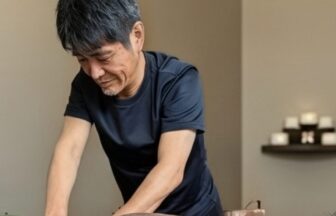
To help answer this question, we spoke with Mr. Shiba, a massage therapist with more than 30 years of experience in Japan.
What Is Japanese Massage?
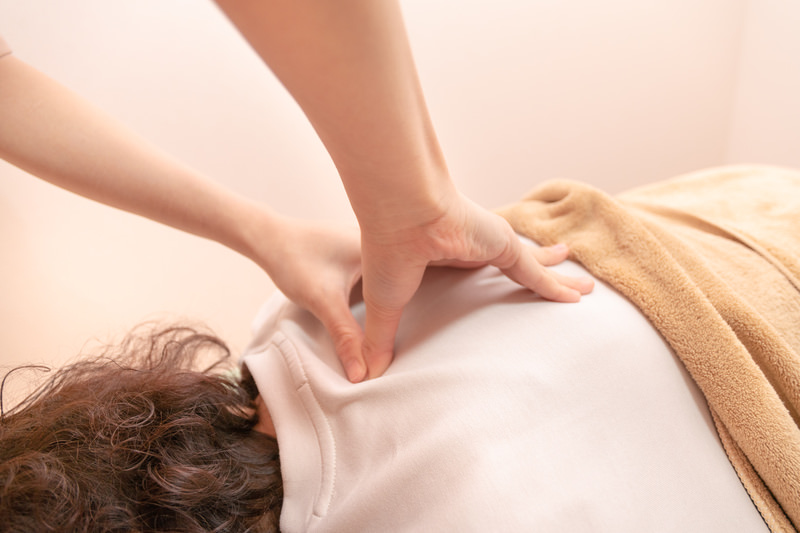
According to Mr. Shiba, the essence of traditional Japanese massage is Shiatsu, a technique that uses sustained pressure rather than oil.
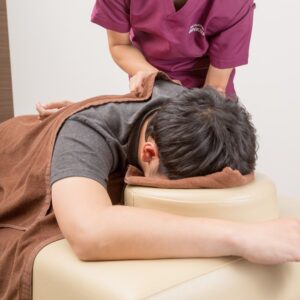
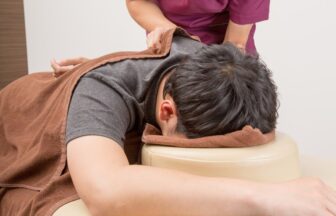
Unlike many Western massage styles that focus on gliding movements over the skin, Japanese Shiatsu is typically performed through clothing. The therapist applies firm, vertical pressure to specific muscles, tension points, and pressure points using the thumbs, palms, and other parts of the hands.
The goal is not simply relaxation, but also to help relieve muscle tension and physical discomfort.
“Japanese massage is based on sustained pressure without oil. We focus on the areas where the guest feels tiredness, stiffness, or discomfort and apply precise pressure to release deep muscle tension.” – Mr. Shiba
Japanese Massage vs Western Massage
While every therapist has their own approach, Mr. Shiba describes several key differences.
Western Massage
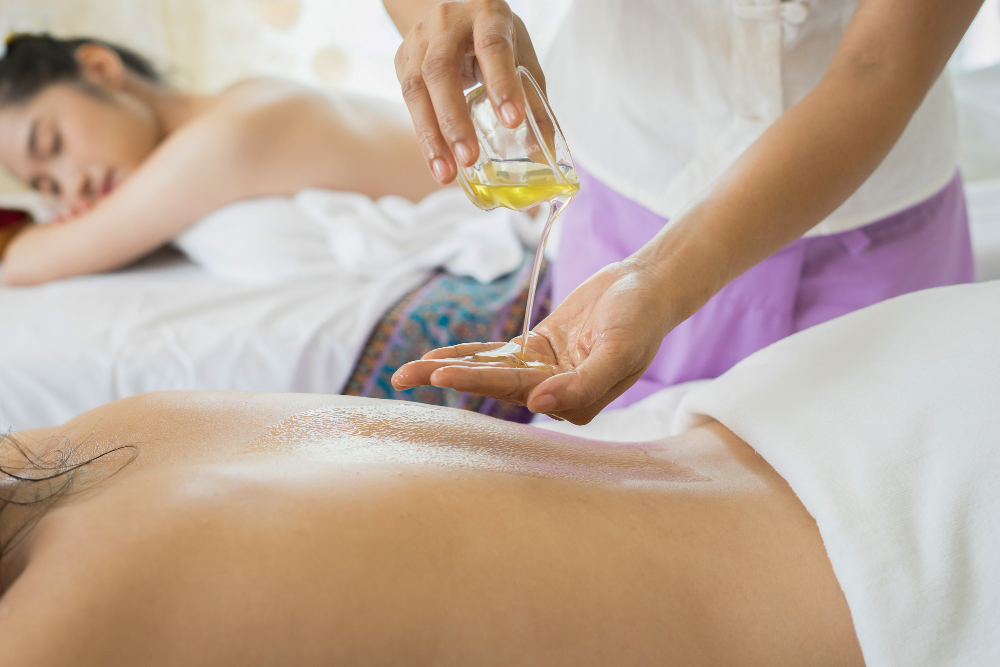
Many Western massage styles:
- Use oils or lotions
- Focus on smooth, flowing movements
- Often begin with the legs and work toward the heart
- Emphasize relaxation and circulation
- Aim to calm the nervous system and reduce stress
For many travelers, Western massage is associated with comfort, relaxation, and a spa-like experience.
Japanese Massage
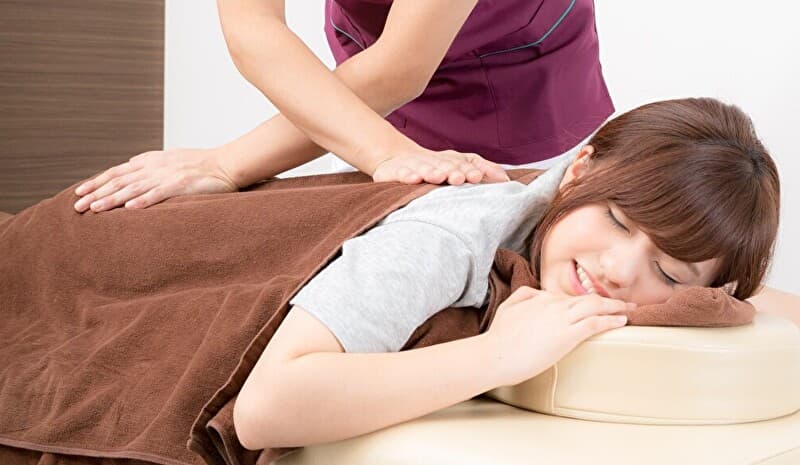
Traditional Japanese massage often:
- Uses little or no oil
- Is performed over clothing
- Applies direct pressure to specific points
- Targets deep muscle tension
- Focuses on both relaxation and physical recovery
Shiatsu practitioners often work with precise pressure rather than broad strokes, allowing them to address particular areas of stiffness and fatigue.
The Importance of Breathing
One aspect of Japanese massage that many visitors do not notice at first is the connection between pressure and breathing.
According to Mr. Shiba, an experienced therapist pays close attention to the guest’s breathing rhythm.
When pressure is applied, guests naturally exhale. When the pressure is released, they inhale again. By matching the treatment to this rhythm, the therapist can encourage deeper breathing and greater relaxation.
“Creating the guest’s breathing rhythm is one of the most important parts of the treatment. Good breathing helps the body relax naturally.”
This combination of physical pressure and controlled breathing is one reason many people find Japanese massage surprisingly calming, even when the pressure feels stronger than expected.
Is Japanese Massage Painful?
Some first-time visitors are surprised by the intensity of Shiatsu.
Historically, some practitioners believed that stronger pressure produced better results. However, modern Japanese therapists often combine traditional techniques with a greater emphasis on comfort and relaxation.
If the pressure feels too strong, you should always tell your therapist.
Most massage therapists in Japan appreciate honest feedback and can adjust the pressure to your preference.
The Evolution of Modern Japanese Massage
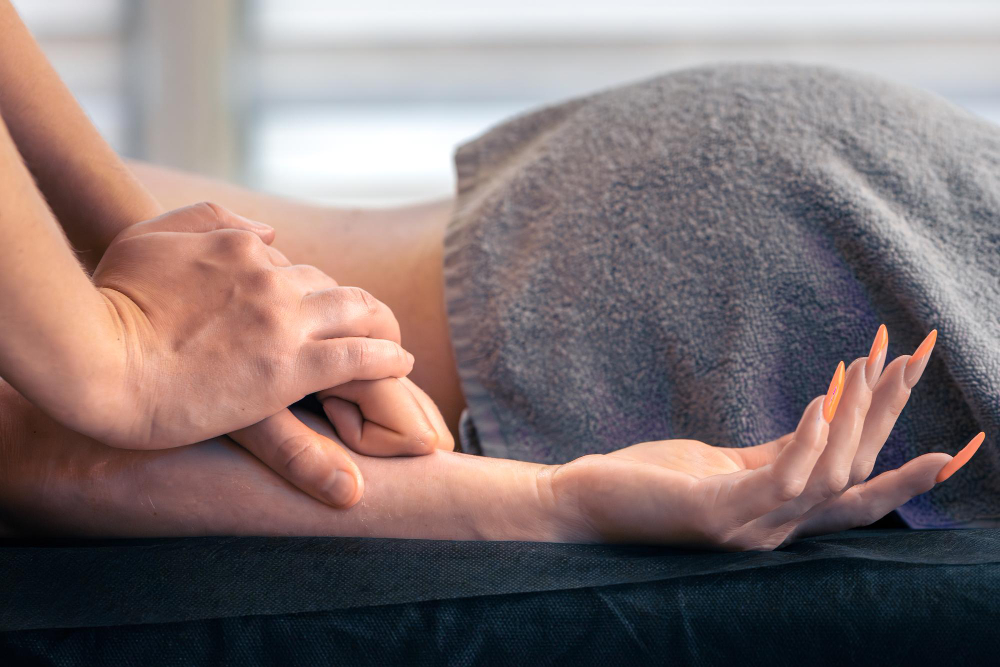
Mr. Shiba believes that the best modern Japanese massage combines the strengths of both Eastern and Western approaches.
Traditional Japanese Shiatsu offers precise pressure and deep muscle work, while Western massage emphasizes relaxation and nervous system balance.
“The ideal Japanese massage today is one that releases muscle tension through Shiatsu while also creating deep relaxation. Combining both approaches creates what I consider the strongest form of Japanese massage.”
What Foreign Travelers Should Expect
If you’re getting a massage in Japan for the first time, here are a few things to keep in mind:
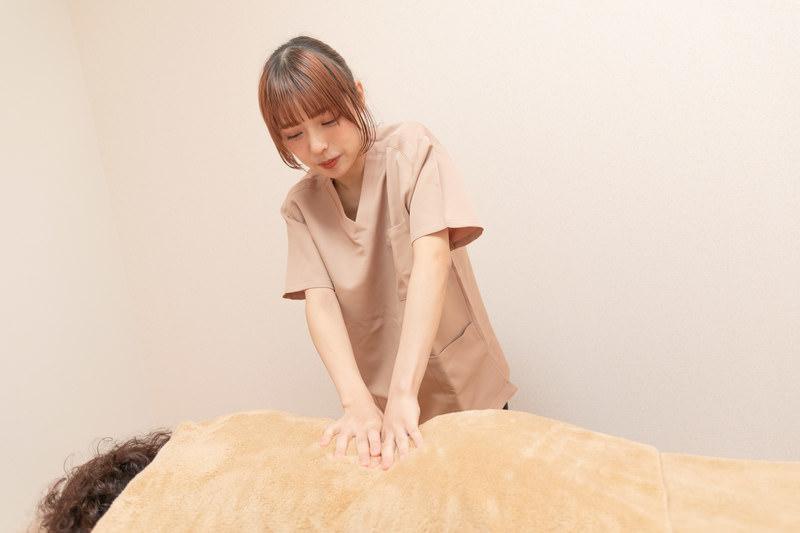
- Many Japanese massages are performed while you remain fully clothed.
- Strong pressure does not necessarily mean discomfort.
- Communication is important—tell your therapist if you want lighter pressure.
- Shiatsu focuses on specific tension points rather than full-body oil techniques.
- Every therapist has their own style and philosophy.
Final Thoughts
Japanese massage offers a unique experience that many international travelers have never encountered before.
While Western massage often emphasizes flowing movements and relaxation, Japanese Shiatsu focuses on sustained pressure, precise technique, and deep muscle relief.
Whether you’re recovering from a long flight, dealing with sore muscles after sightseeing, or simply looking for a uniquely Japanese wellness experience, trying a traditional Japanese massage can be one of the most memorable parts of your trip.
About Mr. Shiba
Mr. Shiba is a Japanese massage therapist with over 30 years of professional experience. In June 2026, he launched a mobile massage service in Kyoto, bringing decades of expertise directly to travelers visiting Japan.
The opinions expressed in this article are Mr. Shiba’s personal views based on his professional experience. Massage techniques and philosophies may vary among therapists.


No comments yet.