What Is Japanese Massage? Insights from a Therapist with 30 Years of Experience
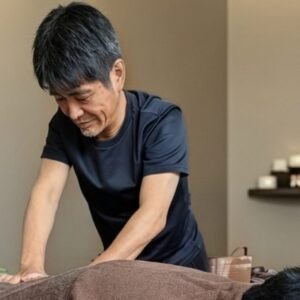
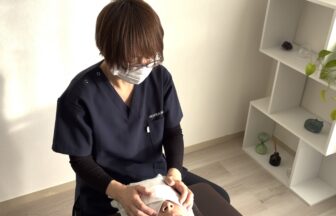
To help international travelers better understand Japanese massage culture, we spoke with Mr. Shiba, a highly experienced therapist with over 30 years in the industry.
As the culmination of his career, Mr. Shiba will launch a mobile massage service in Kyoto in June 2026, bringing authentic Japanese bodywork directly to travelers.
We asked him three common questions about Japanese massage.
What Is Japanese Massage?
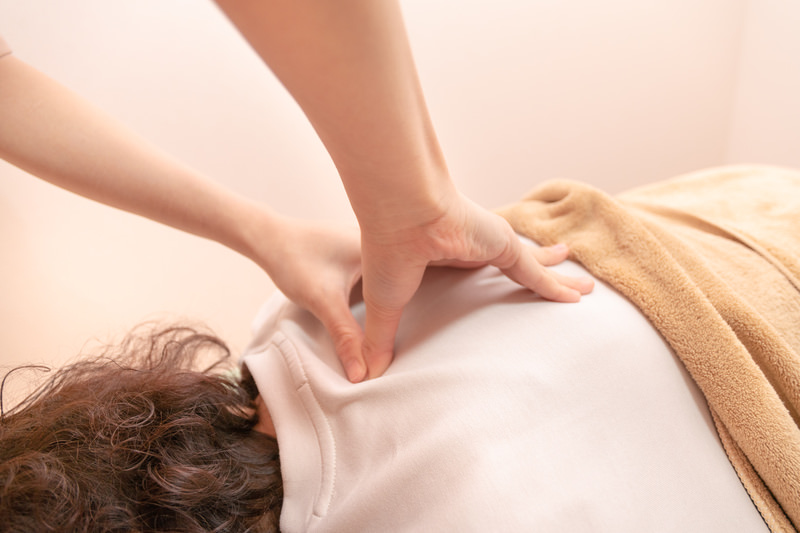
“When people think of Japanese massage, they often think of Shiatsu.
Unlike many Western massage styles that use oil, Shiatsu focuses on applying pressure with the thumbs. The key techniques are vertical pressure and sustained pressure, targeting specific muscles and pressure points.
From my experience, many Western massage techniques focus on relaxation, circulation, and lymphatic flow. Treatments often begin at the feet and work upward toward the heart, using oils to encourage blood flow and relaxation.
Japanese Shiatsu developed from a different perspective. Traditionally, it focuses more on relieving tension and restoring balance by applying precise pressure to areas of stiffness and discomfort. In that sense, it can feel closer to therapeutic bodywork than pure relaxation massage.”
What Is “Momikaeshi”?
“Explaining Momikaeshi can be difficult because every therapist has a slightly different view.
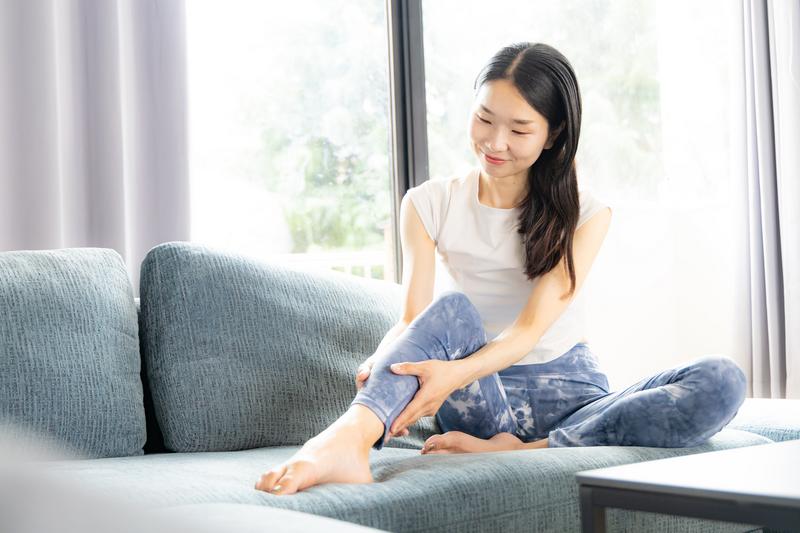
In simple terms, when tight muscles are released through massage, stretching, or pressure techniques, the body may react afterward. This does not necessarily mean something went wrong.
No therapist can honestly guarantee that a client will never experience soreness after treatment. Every person’s body responds differently.
For more than 30 years, I have always explained this possibility to my clients before treatment. If they wake up feeling heavy, tired, or slightly sore the next day, they understand what is happening and do not become unnecessarily worried.
In traditional Eastern wellness philosophy, this reaction is sometimes described as a temporary adjustment process. It usually improves within a day or two.
Without an explanation, a client may think, ‘The massage made me feel worse.’ With proper communication, they often remember that the therapist explained the possibility beforehand, which can build trust.
For international travelers, therapists should be especially careful. Visitors come to Japan to enjoy their trip, and excessive soreness could interfere with their travel plans.
A skilled therapist knows how to balance pressure and technique. Too little pressure may not release tension, while too much pressure can create unnecessary discomfort. The ideal treatment is often just below the point where the pressure becomes painful.
The goal is not simply for clients to say, ‘That felt good.’ The goal is for them to leave feeling genuinely better.”
Tips for Receiving a Massage in Japan
1. Japanese Massage Is Usually Performed Fully Clothed
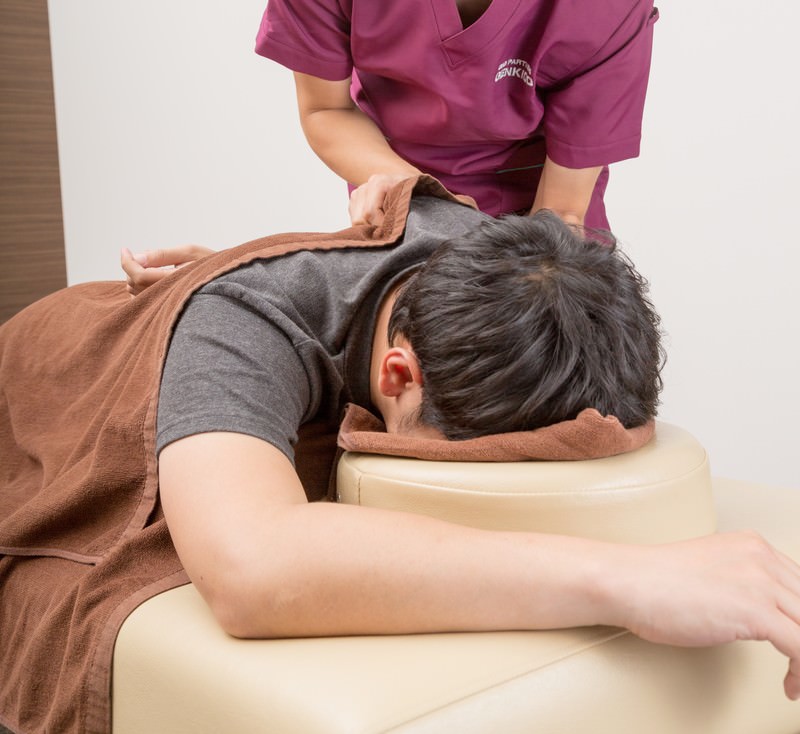
One thing many international visitors should know is that traditional Japanese Shiatsu is often performed while wearing clothing.
Because oils are generally not used, it is best to wear comfortable clothing that allows you to relax and move easily.
2. Speak Up If the Pressure Feels Too Strong
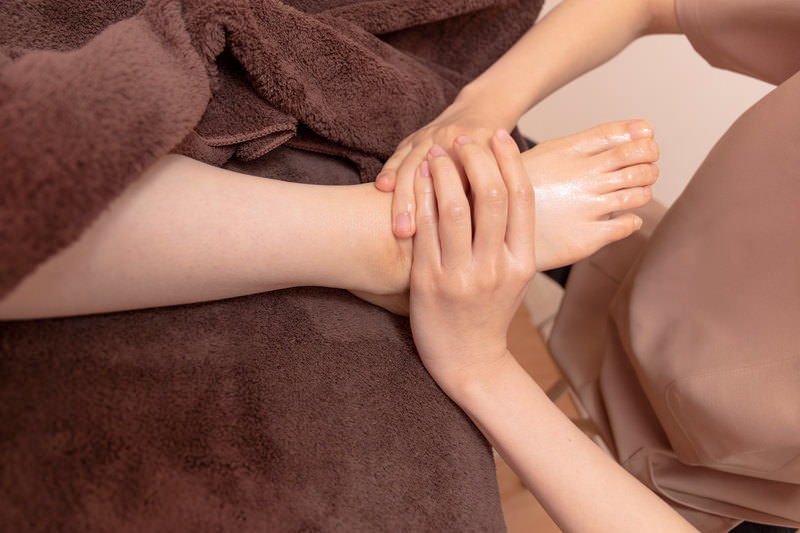
For many Western visitors, Japanese Shiatsu can feel stronger than expected during their first treatment.
There is a common belief in parts of Asia that stronger pressure may be more effective, while many Western clients tend to prefer a gentler and more relaxing massage experience.
If the pressure feels uncomfortable, do not hesitate to tell your therapist immediately. A good therapist will adjust the treatment to your comfort level.
Massage should never be something you simply endure.
Communication helps create the best possible experience.
A Note from BookMassageJapan
The opinions shared above reflect Mr. Shiba’s personal perspective, developed through more than 30 years of professional experience.
There is no single “correct” answer when it comes to massage. Different therapists may have different philosophies, techniques, and approaches.
That is part of what makes Japanese wellness culture so fascinating. Every experienced practitioner brings their own knowledge and perspective, and hearing their stories helps us better understand the art of Japanese massage.


No comments yet.