
If you’re visiting Japan, you may notice that massage prices vary dramatically.
Some shops offer a 60-minute massage for around ¥3,000–¥5,000, while others charge ¥15,000, ¥20,000, or even more.
So what explains the difference?
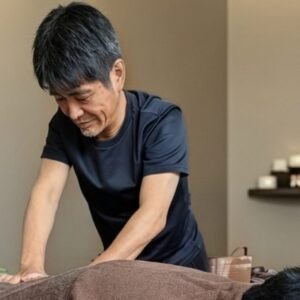
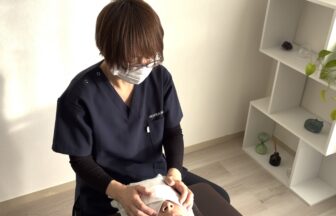
To answer this question, we spoke with Mr. Shiba, a massage therapist and instructor with more than 30 years of experience training therapists across Japan.
According to Mr. Shiba, the answer is more complex than simply saying that one massage is “better” than another.
Additional Note
Before we begin, it’s important to remember that massage pricing is influenced by many factors beyond a therapist’s skill level. Business models, location, operating costs, brand positioning, facilities, and company size can all affect pricing.
Some shops focus on accessibility and affordability, while others emphasize personalized care, private treatment rooms, or decades of specialized experience.
That’s what makes the Japanese massage industry so interesting—there are many different approaches, and no single perspective tells the whole story.
The views shared in this article reflect Mr. Shiba’s personal experiences after more than 30 years in the industry.
Is Expensive Massage Always Better?

Not necessarily.
Mr. Shiba emphasizes that dedicated and hardworking therapists can be found at every price level.
Many affordable massage shops have therapists who genuinely care about their clients and work hard to improve their skills.
However, there are often differences in training, experience, and the level of personalization offered.
Difference #1: Training and Education

One of the biggest differences can be found in the training process.
At many budget-friendly massage chains, treatments are designed around standardized procedures. New therapists learn a step-by-step routine that allows them to begin working relatively quickly.
This system helps maintain consistency and makes massage more accessible and affordable.
In contrast, higher-end therapists often spend years studying anatomy, posture, muscle function, and body mechanics.
Rather than following a fixed routine, they learn how to assess each guest’s condition and adapt the treatment accordingly.
“A skilled therapist doesn’t simply follow a manual. They observe posture, muscle tension, body balance, and daily fatigue to create a treatment specifically for that individual.” – Mr. Shiba
Difference #2: Personalized Treatment
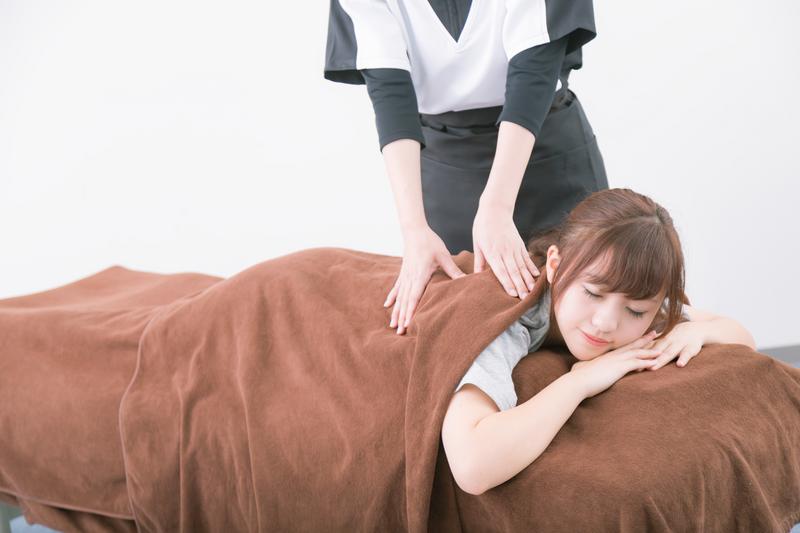
When travelers book a massage, they often expect relaxation.
But experienced therapists may be looking for much more.
They assess factors such as:
- Muscle tension
- Body alignment
- Areas of overuse
- Age-related considerations
- Individual physical conditions
This allows them to adjust pressure, techniques, and treatment areas throughout the session.
As Mr. Shiba explains, every body is different. A treatment that works perfectly for one person may not be suitable for another.

Difference #3: Experience and Safety
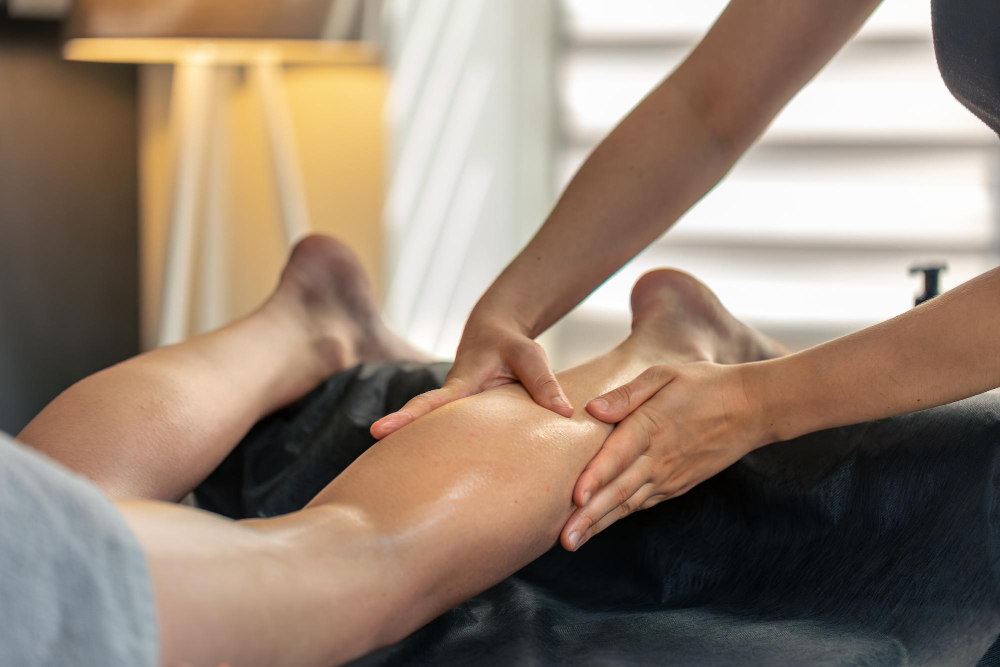
Another difference is experience.
Certain areas of the body require special attention, particularly for older guests or people with previous injuries.
Experienced therapists often have a deeper understanding of:
- Joint limitations
- Herniated discs
- Osteoporosis risks
- Postural imbalances
- Areas that require lighter pressure
This knowledge helps them adapt treatments safely while still achieving effective results.
Difference #4: Feeling Good vs Feeling Better

One comment from Mr. Shiba stood out during our conversation.
“Of course, I am happy when a client says the massage felt good. But what I really want to hear is: ‘I feel better.'”
For him, massage is not only about creating a pleasant experience.
It is about carefully identifying tension, understanding the source of discomfort, and working toward meaningful improvement.
Every pressure point, every movement, and every technique is applied with purpose.
Why Some Therapists Charge More
According to Mr. Shiba, higher prices often reflect years—or even decades—of accumulated experience.
Many expert therapists began their careers in affordable massage shops, spending years developing their skills and learning from thousands of clients.
Over time, they build the knowledge, concentration, and intuition that cannot be learned from a manual alone.
“The therapists offering premium treatments today were often the same hardworking beginners years ago. Continuous learning and experience are what create true expertise.”
So Which Massage Should Travelers Choose?

The answer depends on your goals.
A budget-friendly massage can be a great choice if you:
- Want to relax after sightseeing
- Need a quick recovery session
- Are exploring Japanese massage for the first time
A premium massage may be worth considering if you:
- Have specific areas of chronic tension
- Want a highly personalized treatment
- Are looking for a deeper therapeutic experience
- Value extensive experience and expertise
Final Thoughts
Japan offers excellent massage experiences at many different price points.
Rather than focusing solely on cost, travelers should consider what type of experience they are looking for.
Some guests simply want to unwind after a day of exploring Kyoto, Tokyo, or Nara.
Others are seeking a therapist with decades of experience who can tailor every aspect of the treatment to their individual needs.
Neither approach is necessarily right or wrong.
As Mr. Shiba reminds us, what matters most is finding a therapist who genuinely cares about helping their clients feel better.
About Mr. Shiba
Mr. Shiba is a Japanese massage therapist and instructor with more than 30 years of professional experience. The opinions expressed in this article reflect his personal views based on decades of hands-on practice and therapist training throughout Japan.





Your content always manages to captivate and educate me. Keep up the fantastic work!
Thank you very much for your kind comment. Please free to write us if you have anything you would like to know about Japanese massage and wellness 🙂