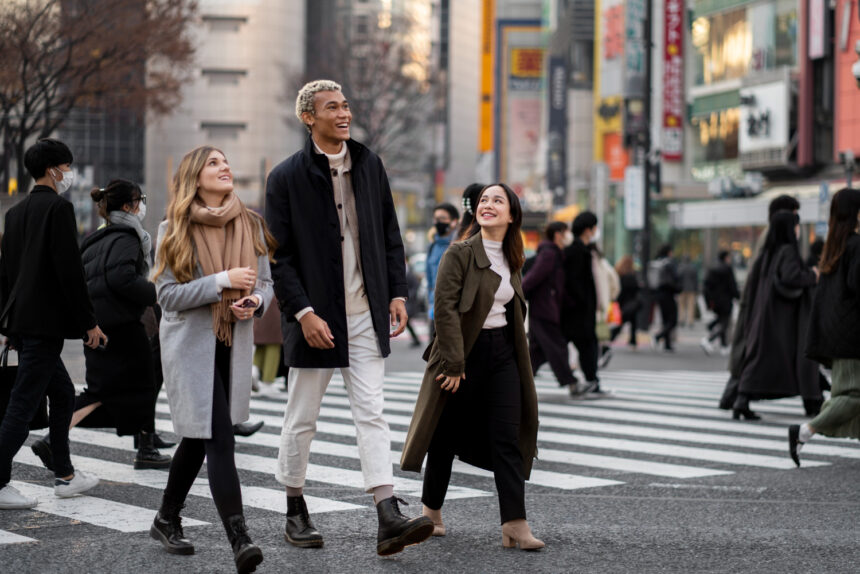
After visiting Shibuya Scramble Crossing and Shibuya SKY, many travelers are ready for something different.
If you’ve had enough of the crowds, why not take a relaxing walk to Daikanyama, one of Tokyo’s most stylish neighborhoods? Just 20 minutes away on foot, you’ll discover quiet streets, beautiful cafés, boutique shops, and a slower side of Tokyo that many visitors miss.
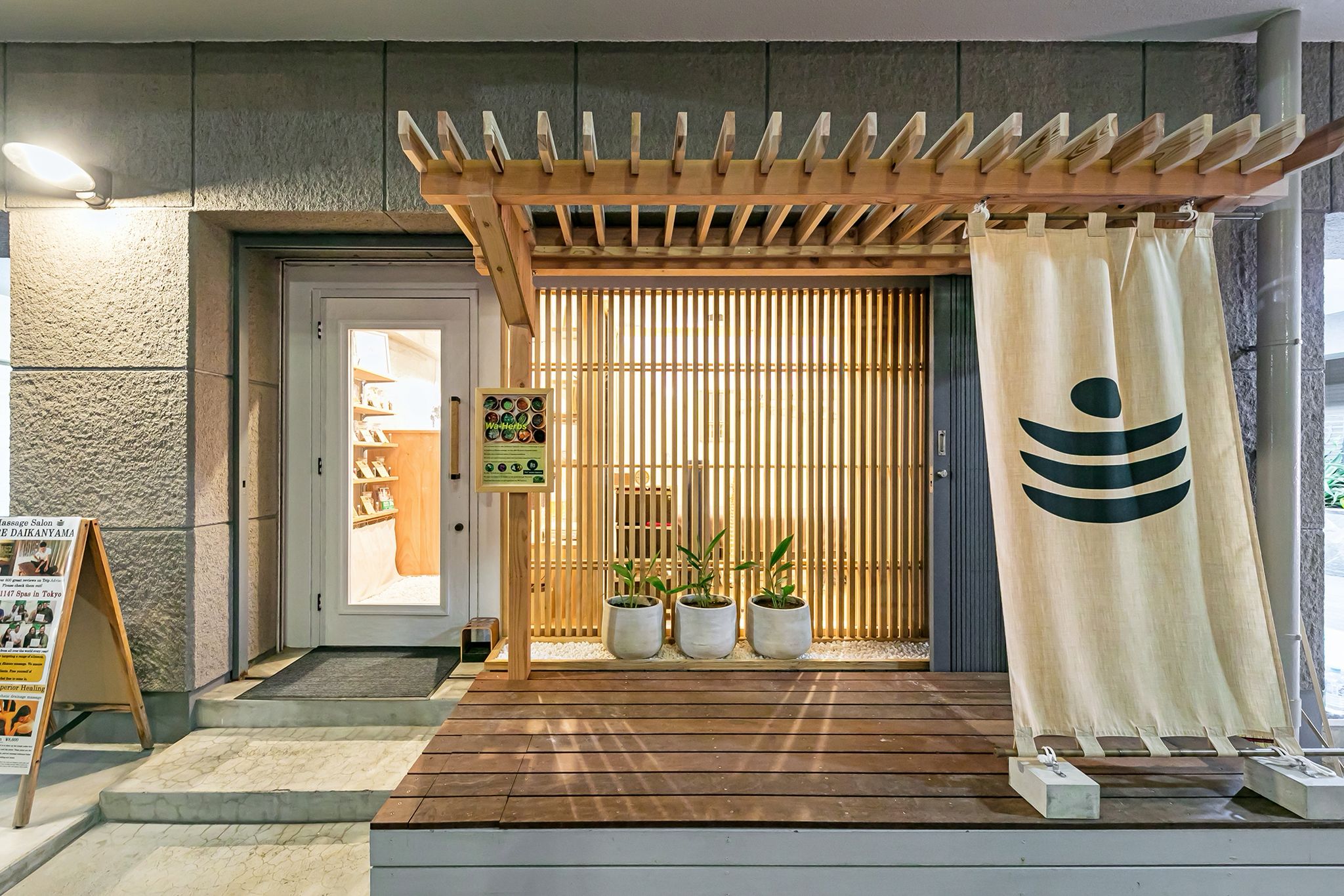
To finish the day, treat yourself to an authentic Japanese Shiatsu massage and a cup of traditional Wa-Herb tea at Waho-An Nature Tokyo.
This is one of my favorite half-day itineraries in Tokyo.
- Sample Half-Day Itinerary
- What Is Daikanyama Like?
- How Long Does It Take to Walk from Shibuya to Daikanyama?
- Why Is It Fun to Walk?
- Things to Do in Daikanyama
- Daikanyama T-SITE
- IVY PLACE
- Boutique Shopping
- End Your Day with Authentic Japanese Wellness
- Japanese Massage & Wa-Herb Tea
- 5 Reasons I Love Walking Around Daikanyama
- Who Should Take This Walk?
Sample Half-Day Itinerary
| Time | Activity |
|---|---|
| 1:00 PM | Explore Shibuya Scramble Crossing |
| 2:00 PM | Enjoy panoramic views from Shibuya SKY |
| 3:00 PM | Walk from Shibuya to Daikanyama |
| 3:30 PM | Visit Daikanyama T-SITE, cafés, and boutique shops |
| 4:30 PM | Relax with an authentic Japanese massage at Waho-An Nature Tokyo |
| 6:00 PM | Return to your hotel feeling refreshed |
What Is Daikanyama Like?
Daikanyama is one of Tokyo’s most elegant residential neighborhoods.
Unlike the energy of Shibuya, people come here to slow down. Locals meet friends for coffee, visit hair salons, browse bookstores, and enjoy long lunches at stylish cafés.
You’ll find beautiful boutiques and excellent restaurants, but the atmosphere is much more relaxed than Ginza or Omotesando. Instead of rushing from shop to shop, Daikanyama is a place to simply enjoy walking.
How Long Does It Take to Walk from Shibuya to Daikanyama?
The walk from Shibuya Station to Daikanyama Station is about 1.3 km (0.8 miles) and takes around 20 minutes.
In reality, you’ll reach the main shopping streets after about 15 minutes, so it feels even shorter.
It’s about the same walking distance as Shibuya to Harajuku—but in the opposite direction.
The walk itself is part of the experience. As you leave Shibuya behind, the busy streets gradually become quieter. Along the way, you’ll pass stylish cafés, small parks, and peaceful residential streets that reveal a completely different side of Tokyo.
Why Is It Fun to Walk?
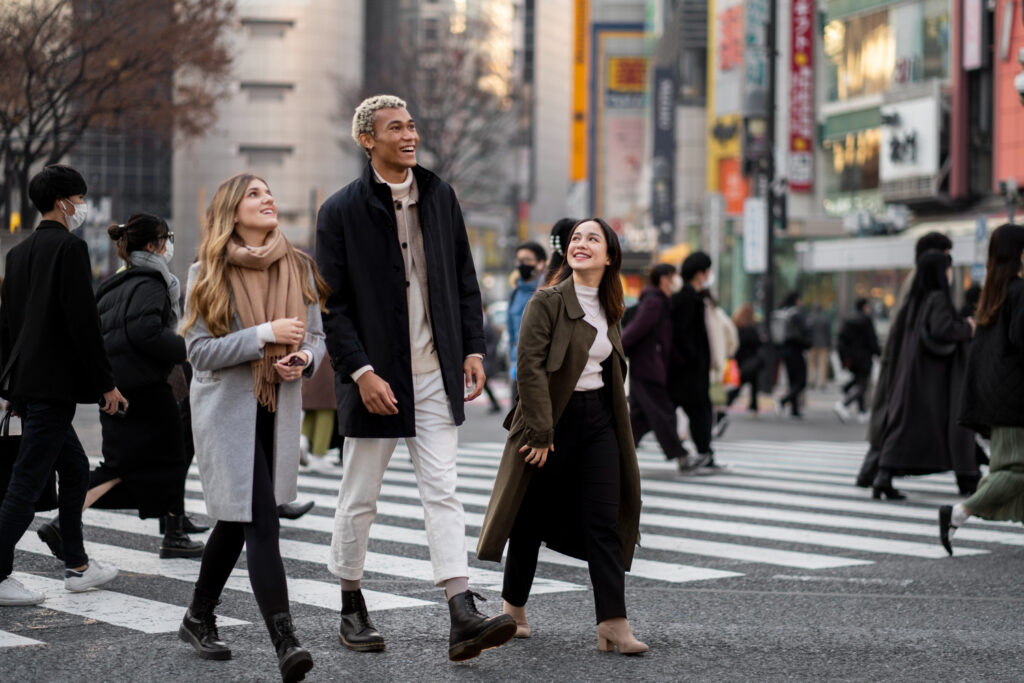
Walking lets you experience everyday life in Tokyo.
Instead of famous tourist attractions, you’ll notice:
- Tree-lined streets
- Small neighborhood bakeries
- People walking their dogs
- Cyclists passing by
- Outdoor cafés filled with locals
Walking toward Harajuku is all about famous brands and busy shopping streets.
Walking toward Daikanyama feels like discovering where Tokyo residents actually spend their weekends.
Things to Do in Daikanyama
Unlike Shibuya, Daikanyama isn’t a place where people arrive with a shopping list.
It’s a neighborhood where you wander into a boutique simply because it looks interesting—and sometimes leave with your favorite purchase of the trip.
Daikanyama T-SITE
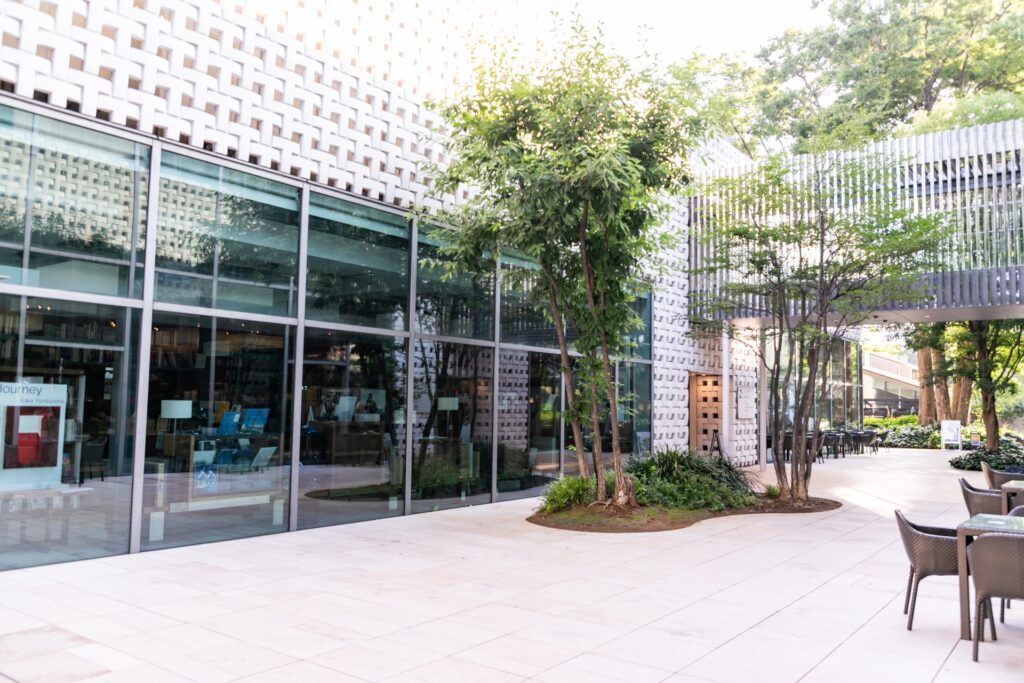
One of Daikanyama’s most famous landmarks is Daikanyama T-SITE, a beautifully designed complex featuring bookstores, cafés, restaurants, and lifestyle shops connected by peaceful walking paths.
Many locals spend hours here browsing books before relaxing with a coffee.
Personally, I love wandering through the bookstore and then taking a break at the café. Somehow, simply enjoying coffee in Daikanyama makes me feel like I’m experiencing the “Tokyo lifestyle.”
You might even spot stylishly groomed dogs walking with equally fashionable owners!
IVY PLACE
If you’re looking for a relaxing meal, IVY PLACE is one of my favorite restaurants in Daikanyama.
Surrounded by greenery, it feels like dining at a countryside villa despite being in central Tokyo.
Breakfast starts at 7:00 AM with popular pancakes, while lunch and dinner feature Italian dishes such as pasta and pizza.
Boutique Shopping
Daikanyama’s streets are lined with independent boutiques, design stores, and lifestyle shops.
Unlike Shibuya, where many visitors come looking for a specific brand or product, Daikanyama is about discovering something unexpected.
Even if you don’t buy anything, wandering through the neighborhood is part of the experience.
If your goal is shopping for sneakers, records, or stationery, Shibuya is probably the better choice.
If you simply want to enjoy beautiful streets and a relaxed afternoon, Daikanyama is hard to beat.
End Your Day with Authentic Japanese Wellness
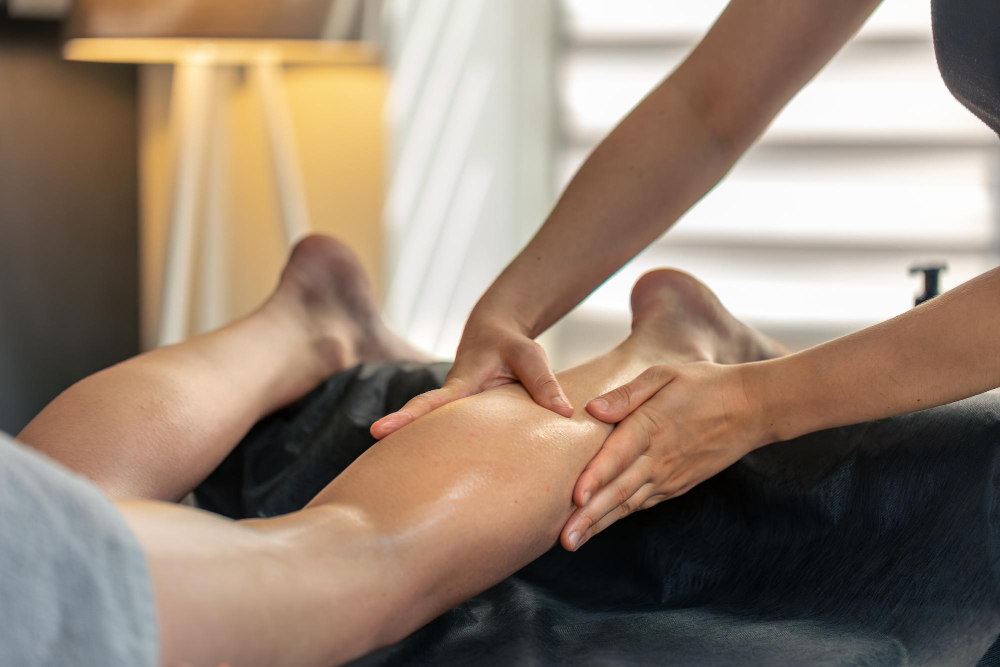
After several hours of sightseeing and walking, there’s no better way to finish your afternoon than with an authentic Japanese massage.
That’s why I recommend Waho-An Nature Tokyo, located just a short walk from Daikanyama Station.
More than just relaxing your muscles, it’s an opportunity to experience a unique part of Japanese wellness culture.
Japanese Massage & Wa-Herb Tea
After your treatment, you’ll be served a complimentary cup of traditional Japanese Wa-Herb tea.
You may discover herbs such as Houttuynia, safflower, or tea leaves that have been enjoyed in Japan for generations.
Houttuynia tea, in particular, has long been appreciated as part of Japan’s traditional wellness culture.
Waho-An is also one of the few places in central Tokyo where visitors can explore, smell, taste, and purchase traditional Japanese Wa-Herbs.
Being able to experience these herbs firsthand makes the visit much more than a massage.
It’s a genuine cultural experience.
Walking from Shibuya to Daikanyama gave me the chance to discover a quieter side of Tokyo. Ending the afternoon with a traditional Japanese massage and Wa-Herb tea made the experience even more memorable.
5 Reasons I Love Walking Around Daikanyama
- It’s much quieter than Shibuya.
- The streets are beautiful and relaxing.
- You don’t need a shopping plan—just explore.
- Great cafés are everywhere.
- You can finish the day with an authentic Japanese massage at Waho-An Nature Tokyo.
Who Should Take This Walk?
This itinerary is perfect for:
- First-time visitors to Tokyo
- Travelers who enjoy walking
- Couples
- Coffee lovers
- People looking to escape the crowds
- Anyone interested in Japanese wellness and local culture





No comments yet.