Real experiences and practical tips for families traveling in Japan with a child with developmental disabilities.
Japan is an incredible destination for families. From peaceful temples and beautiful gardens to exciting cities and delicious food, there is something for everyone.
However, traveling with special needs in Japan requires more planning than many families expect.
Recently, I had the opportunity to guide a wonderful family from a Spanish-speaking country during their summer vacation in Japan. Their family included an 18-year-old child with developmental disabilities, two siblings, and their parents.
Together, we spent three days exploring Japan—one day in Hakone and two days in Tokyo.
The child could walk independently but needed assistance on stairs and uneven surfaces.
As a professional tour guide, I learned many valuable lessons during those three days. Some experiences surprised me, while others reminded me how important flexibility, patience, and good planning are when supporting families with special needs.
To protect the family’s privacy, I have intentionally omitted identifying details and changed minor information where appropriate.
Every person with developmental disabilities is unique. The experiences in this article reflect only one family’s journey and should not be considered representative of everyone.
My hope is that these observations will help other families enjoy a smoother, safer, and more relaxing trip to Japan.
Every Child Is Different
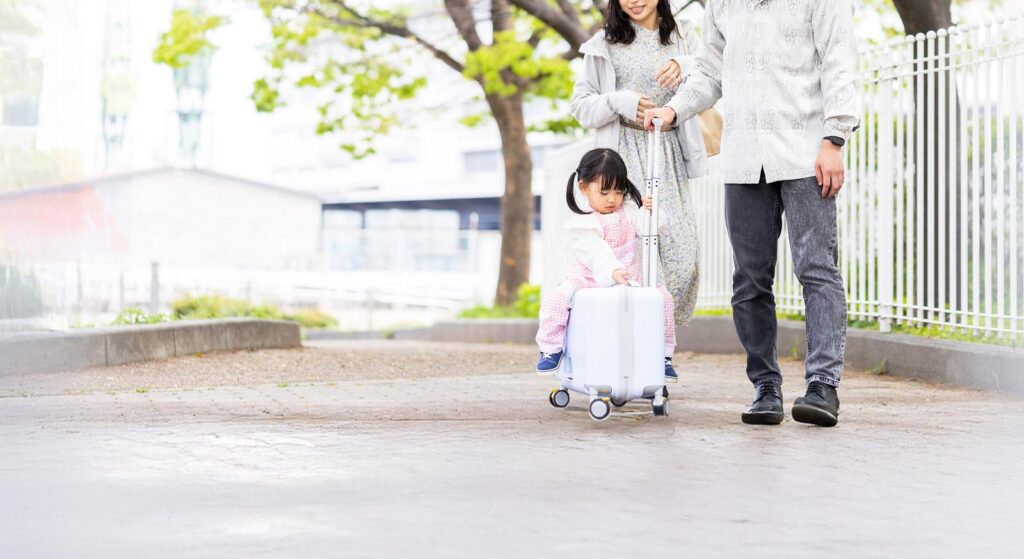
Before sharing my experience, I’d like to emphasize one important point.
There is no single “right way” to travel with a child who has developmental disabilities.
Some children enjoy meeting new people. Others may become anxious in unfamiliar environments.
Some love sightseeing.
Others simply enjoy spending quiet time with their family.
Throughout this article, I’m sharing what I observed during one trip—not making general statements about all children with developmental disabilities.
The most important lesson I learned was this:
Travel at your child’s pace, not your itinerary’s pace.
Expect to Walk More Than You Think
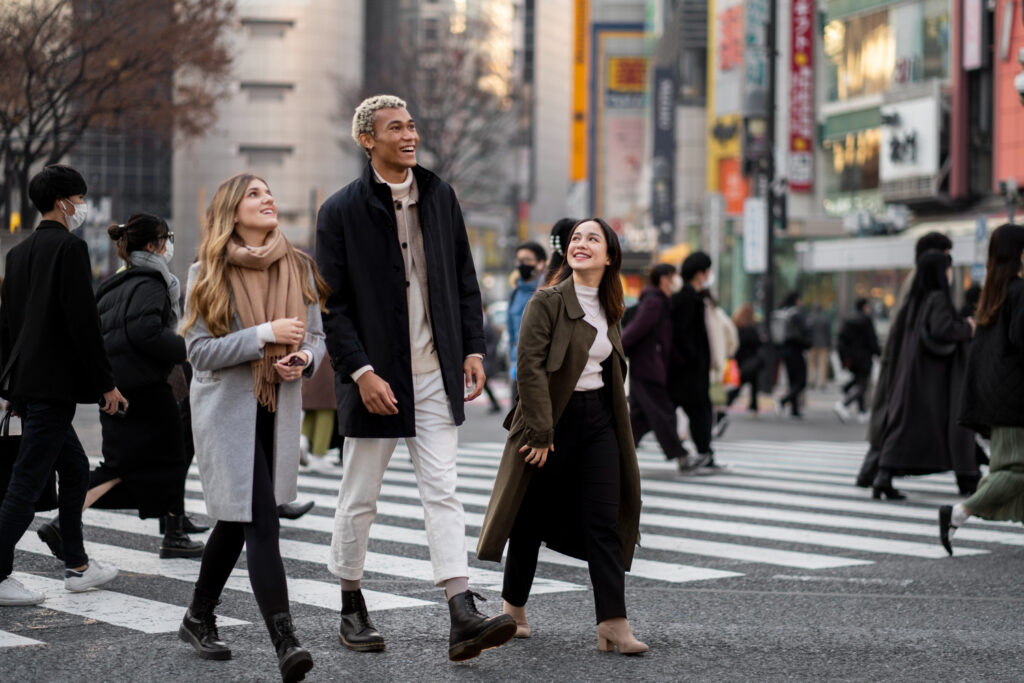
One of the biggest surprises for many international visitors is how much walking Japan involves.
Even though we traveled in a private charter vehicle with a driver for all three days, we still walked a considerable distance.
Day 1 – Hakone
Approximately 9,600 steps
- Sounzan Station
- Hakone Ropeway
- Owakudani
- Lake Ashi Pirate Ship
- Moto-Hakone
Day 2 – Tokyo
Approximately 13,000 steps
- Imperial Palace
- Tokyo Skytree
- Asakusa
Day 3 – Tokyo
Approximately 10,000 steps
- Tsukiji Outer Market
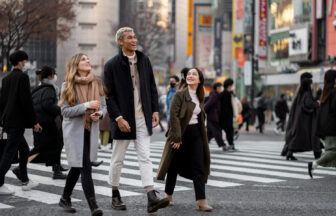
- Shibuya Crossing
- Shibuya Center Street
- Harajuku Takeshita Street
- Shinjuku
Because we traveled by private vehicle, we avoided walking through large train stations.
If we had used Tokyo’s public transportation, I estimate we would have walked 50–100% more each day.
Many first-time visitors underestimate the amount of walking required in Japan.
For families with special needs, reducing unnecessary walking can make a significant difference.
If your budget allows, consider hiring a private vehicle for full-day sightseeing, especially during summer or if your child becomes tired easily.
Japan’s Summer Heat Can Be Extreme
We visited Japan in late July.
The daytime temperature reached 35–37°C (95–99°F).
Combined with Japan’s high humidity, it felt even hotter.
Unlike dry climates, Japan’s humid summer can quickly become exhausting.
Japanese weather forecasts often advise people to avoid outdoor activities during the hottest hours of the day because of the risk of heatstroke.
As our sightseeing continued, I realized that finding air-conditioned places to rest became just as important as visiting famous attractions.
If you’re traveling with special needs in Japan during summer, I strongly recommend:
- Taking frequent indoor breaks
- Carrying plenty of water
- Wearing lightweight clothing
- Planning outdoor sightseeing early in the morning
- Returning to your hotel before the hottest part of the afternoon if possible
One unexpected challenge was the large number of people using umbrellas to block the sun.
In crowded tourist areas like Asakusa, Shibuya, and Harajuku, sidewalks became filled with umbrellas.
For someone who needs extra personal space or assistance while walking, this can sometimes feel overwhelming.
Some Attractions Can Feel Overwhelming
One moment from our trip has stayed with me.
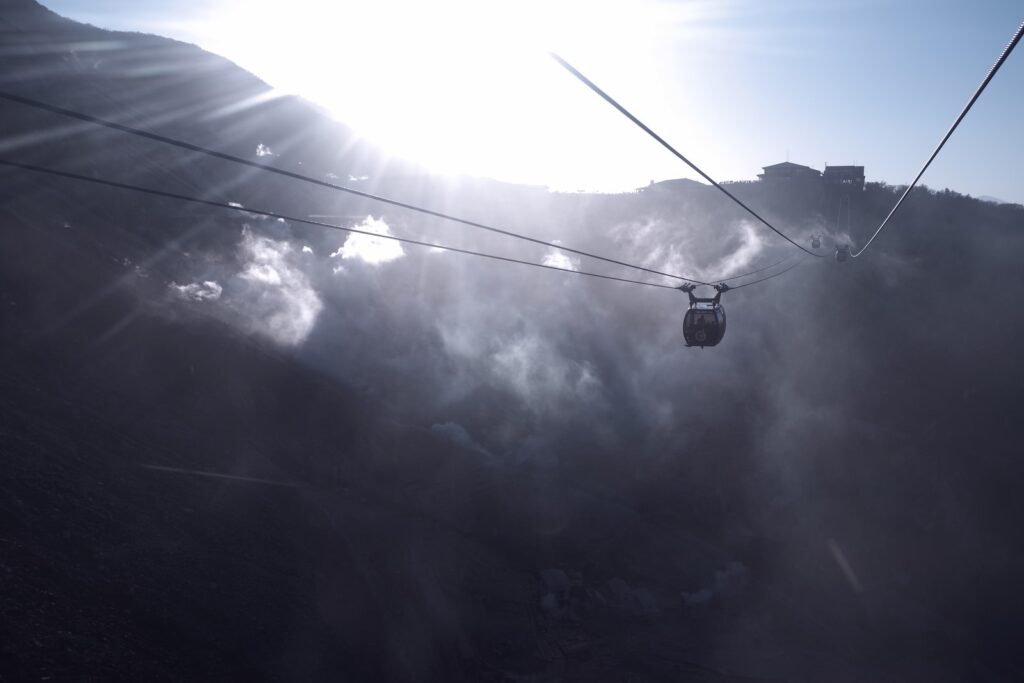
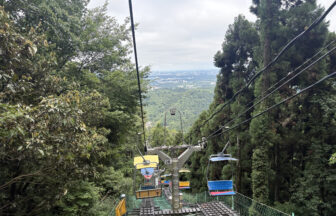
When we arrived at the Hakone Ropeway, the child became anxious before boarding the gondola and initially refused to get on.
The parents gently encouraged and supported their child, and eventually everyone boarded safely.
Fortunately, the ropeway was quiet that day.
Our family had the gondola entirely to ourselves, creating a calm and comfortable environment.
During spring and autumn, however, Hakone is much busier.
Visitors usually share the gondola with strangers.
For some families with special needs, that extra noise and lack of personal space could make the experience much more stressful.
That moment reminded me that an attraction many travelers describe as relaxing can feel completely different depending on each child’s individual needs.
Sometimes having extra time, a quieter environment, or simply waiting for the next gondola can make a big difference.
Enjoy the Journey, Not Just the Checklist
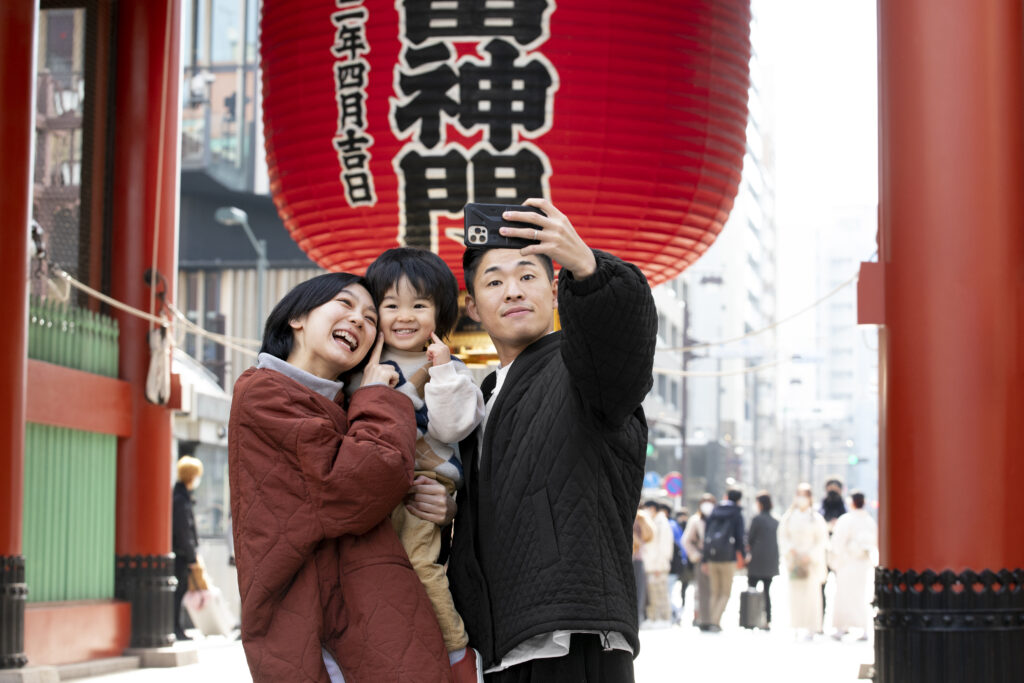
Many visitors arrive in Japan with a long list of places they want to see.
Tokyo alone offers more attractions than most people can visit in a week.
However, after guiding this family, I came to an important realization.
The best trips aren’t measured by how many places you visit—they’re measured by how comfortable and enjoyable the experience is for everyone.
Throughout our sightseeing, the child frequently wanted to return to the vehicle after spending some time at each destination.
Rather than seeing this as a problem, I saw it as an important reminder.
Every traveler has a different limit for how much walking, noise, heat, and stimulation they can comfortably enjoy.
Parents often feel pressure to “make the most” of their vacation because they have traveled so far.
But in many cases, slowing down creates happier memories than trying to fit everything into one day.
Instead of visiting six attractions, perhaps visit three.
Spend more time at a café.
Take an afternoon break at your hotel.
Allow your child to relax before continuing.
These small adjustments can make traveling with special needs in Japan much more enjoyable for the entire family.
One lesson I’ll always remember is this:
A successful family trip isn’t about seeing everything. It’s about making sure everyone enjoys the journey together.
Restaurants May Require Flexibility
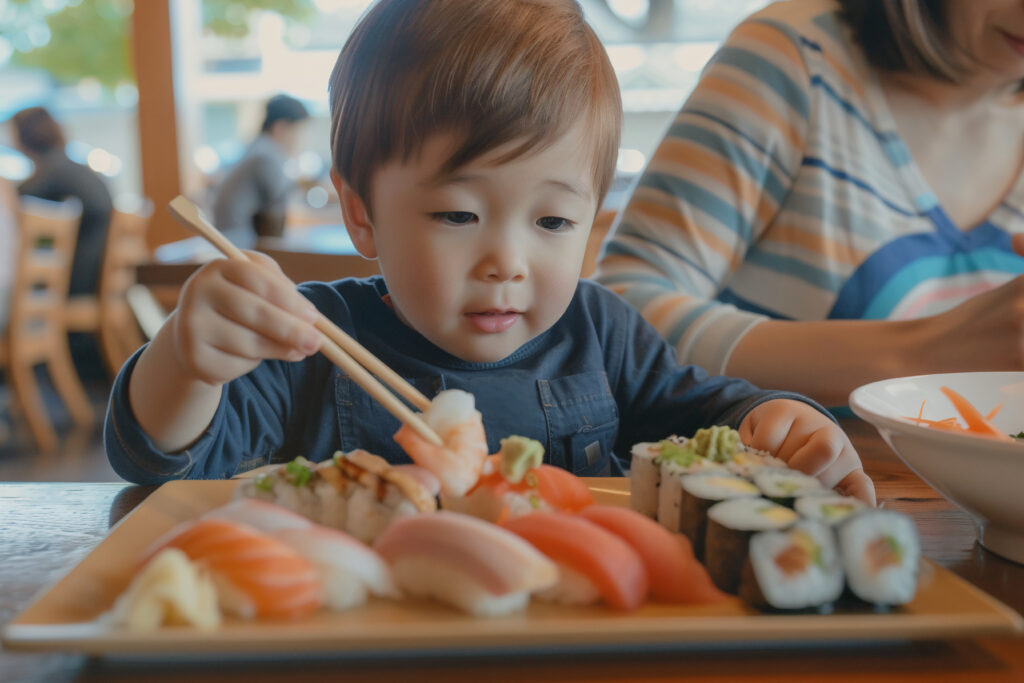
Japan is famous for its food culture.
From sushi and ramen to tempura and traditional Japanese sweets, many visitors come to Japan hoping to experience authentic Japanese cuisine.
The good news is that Japan has thousands of excellent restaurants, and if you are flexible, it is usually possible to find somewhere comfortable to eat.
However, families traveling with special needs should be aware that some dining situations may require extra planning.
Popular restaurants shared on social media often have:
- Long waiting times
- Crowded entrances
- Limited seating space
- Small tables
- A busy atmosphere
For some children, especially those who feel uncomfortable in unfamiliar environments, waiting in a crowded restaurant line can become stressful.
A Real Experience in Asakusa
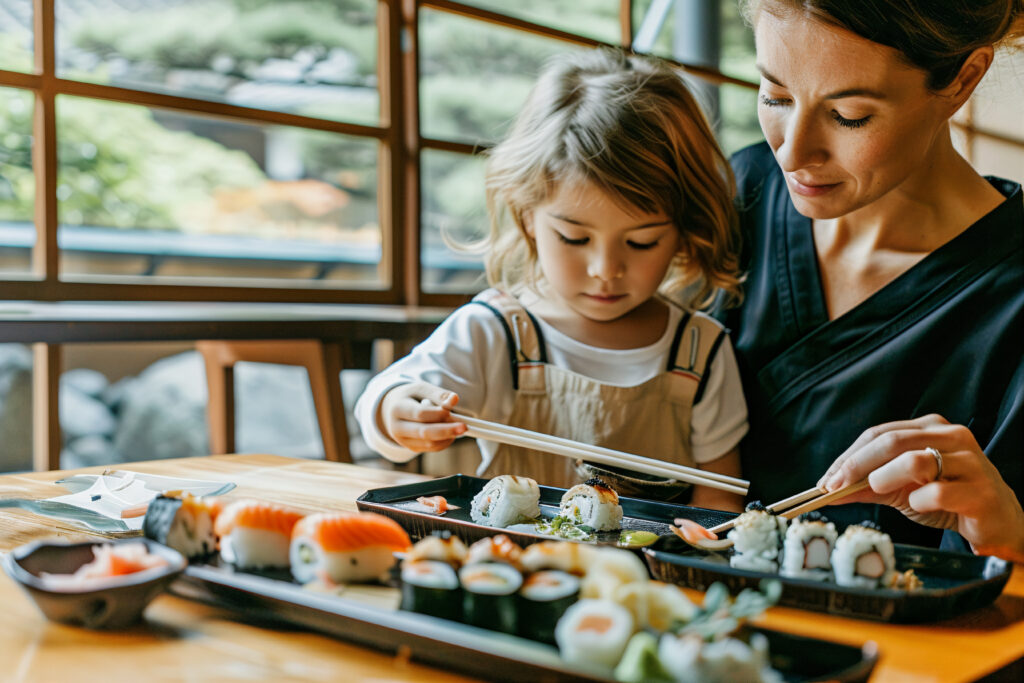
During our visit to Asakusa, the family wanted to enjoy sushi.
We first visited a popular sushi restaurant, but there was already a line outside. Around 30 minutes of waiting was expected, and many other customers were standing near the entrance.
For many travelers, waiting is simply part of the experience.
However, when traveling with a child who may become tired or overwhelmed, even a short waiting time can affect the rest of the day.
I suggested another nearby sushi restaurant that offered a similar experience, and fortunately, the family was able to enter almost immediately.
This was a good reminder that local knowledge is not always about finding the most famous restaurant.
Sometimes the best choice is finding the right restaurant at the right time for your family.
For families with special needs, saving energy and reducing unnecessary stress can make the entire trip more enjoyable.
Parents of Children with Special Needs Often Need a Break Too
One moment during the trip especially stayed with me.
While we were at a café in Harajuku, the family wanted to enjoy Japan’s famous egg sandwiches.
However, the parents had very little time to relax and enjoy their own meal because they needed to continuously support their child.
As a tour guide, I was able to stay nearby and help by spending time with their child while the parents had a chance to enjoy their food more calmly.
However, there are limits to what a guide can do.
A tour guide can provide:
- Local knowledge
- Translation support
- Itinerary management
- Communication assistance
But a guide cannot provide medical care or personal care.
This experience made me realize how valuable a professional caregiver or private nurse could be during a family vacation.
A private nurse or trained support person could allow parents to:
- Enjoy a meal together
- Visit a museum at their own pace
- Shop comfortably
- Take a short break during a busy sightseeing day
Parents of children with special needs also deserve the opportunity to enjoy their vacation.
Familiar Routines Can Make Travel Easier
When traveling internationally, children often experience many changes at once:
- A different language
- New foods
- New sounds
- Different schedules
- Unfamiliar places
For some children, having familiar routines or items can provide comfort.
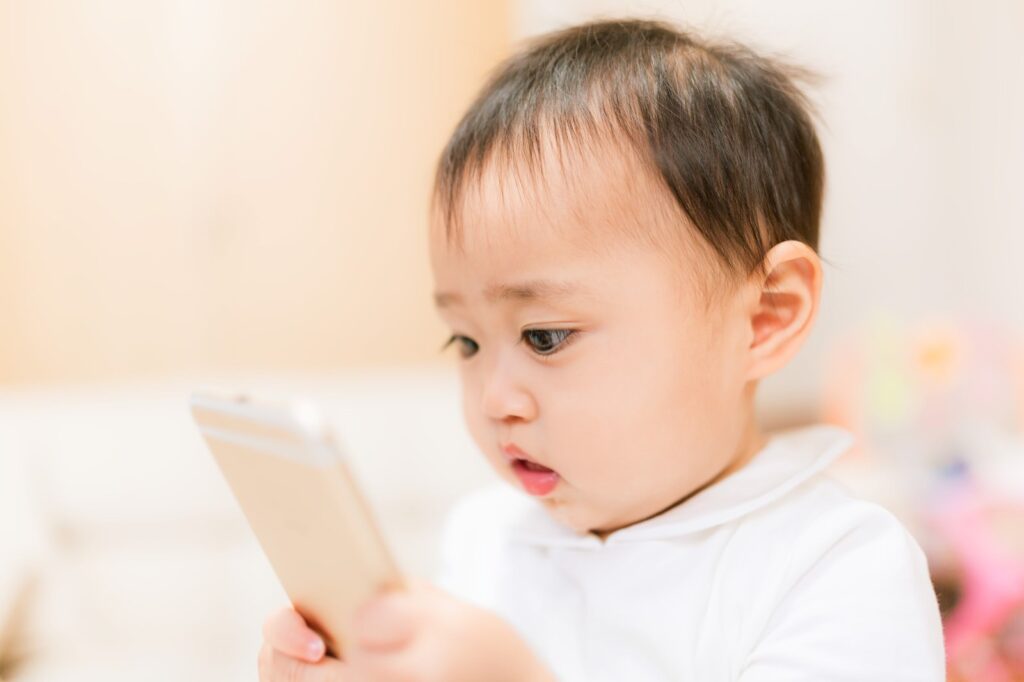
During this trip, I noticed that the child enjoyed listening to music on a smartphone.
Music appeared to be an important way for the child to feel comfortable during the journey.
For families traveling with special needs, familiar entertainment can be a valuable travel tool.
If your child regularly uses:
- Music apps
- Videos
- Online games
- Communication apps
I recommend preparing reliable internet access before arriving in Japan.
Free Wi-Fi is available in some tourist areas, hotels, and cafés, but it is not always available everywhere.
A tourist SIM card or eSIM with sufficient mobile data can make your trip much smoother.
Being able to access familiar content whenever needed can provide reassurance for both children and parents.
Museums, Shopping, and Different Interests Within the Family
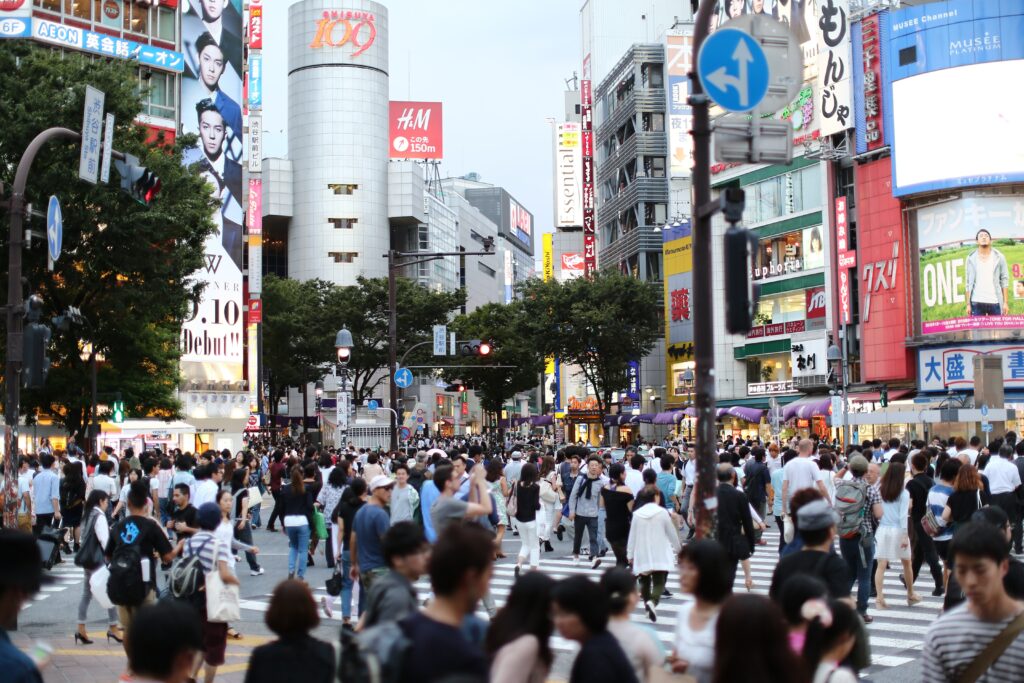
Family vacations often involve different interests.
Parents may want to:
- Visit museums
- Enjoy shopping
- Explore cultural attractions
- Spend quiet time at cafés
Meanwhile, children may have completely different preferences.
During this trip, while the parents enjoyed shopping or visiting museums, the child sometimes became bored and wanted to return to the vehicle.
This is completely understandable.
A family vacation does not mean every family member must enjoy every activity in the same way.
For families with special needs, it can be helpful to:
- Keep sightseeing visits shorter
- Plan alternative activities
- Include breaks between attractions
- Allow family members to enjoy separate experiences when possible
This is another situation where additional support can be extremely helpful.
If a caregiver or private nurse accompanies the child, parents may have more opportunities to enjoy activities that are important to them while knowing their child is safe and supported.
Public Transportation Can Be Challenging
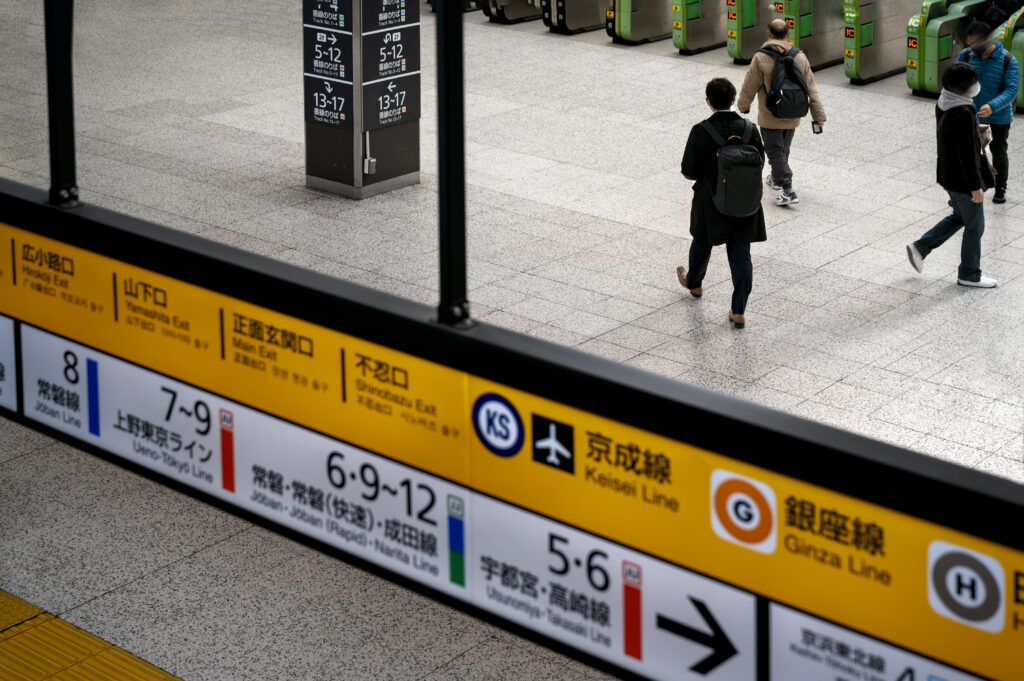
Japan is often praised for having an excellent transportation system.
The trains are usually punctual, safe, and convenient.
However, for travelers with mobility challenges or special needs, Japan’s transportation system can still present difficulties.
This is especially true in large cities like Tokyo.
Common challenges include:
- Long walking distances inside stations
- Many stairs and escalators
- Difficult-to-find elevators
- Crowded platforms
- Busy transfer routes
Tokyo’s major stations can feel like a maze, even for people who live in Japan.
For example, changing trains at stations such as Shinjuku or Tokyo Station may require a significant amount of walking.
Even when elevators are available, they can be crowded.
Families who need elevator access may have to wait several times before they can board.
Should Families Use Trains or a Private Vehicle?
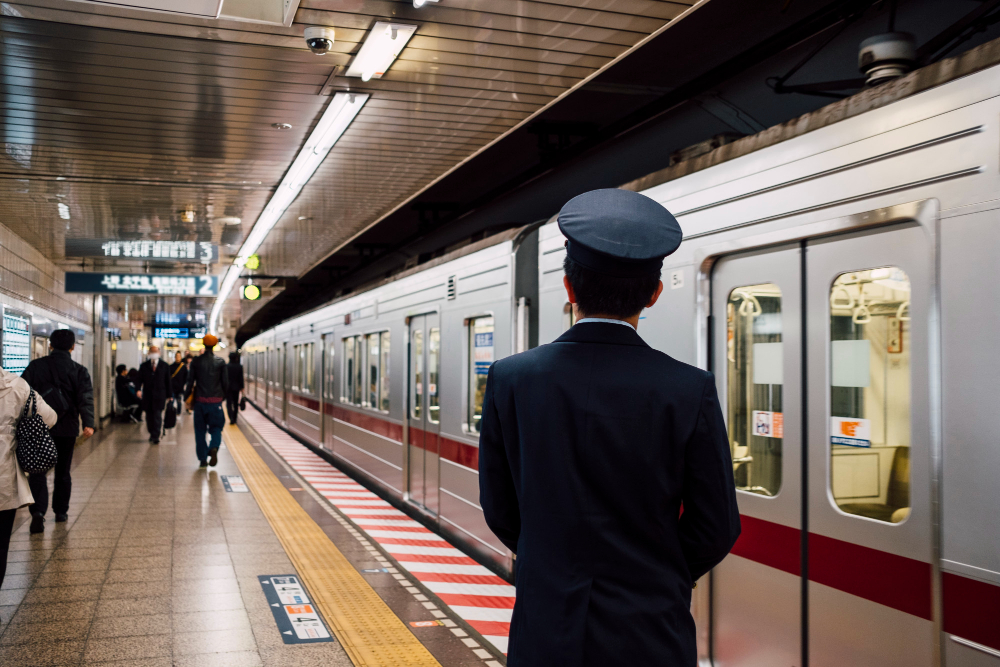
Public transportation is certainly possible.
Many families with special needs successfully travel throughout Japan by train.
However, it is important to consider your child’s needs and energy level.
A private vehicle can provide:
- A quiet space to rest
- Protection from extreme weather
- Less walking
- More flexible timing
- Easier luggage management
For destinations such as:
- Hakone
- Mt. Fuji area
- Kyoto sightseeing
- Day trips outside Tokyo
a private car can significantly reduce physical and emotional stress.
The best transportation option depends on each family’s situation.
Why Extra Support Can Make a Difference
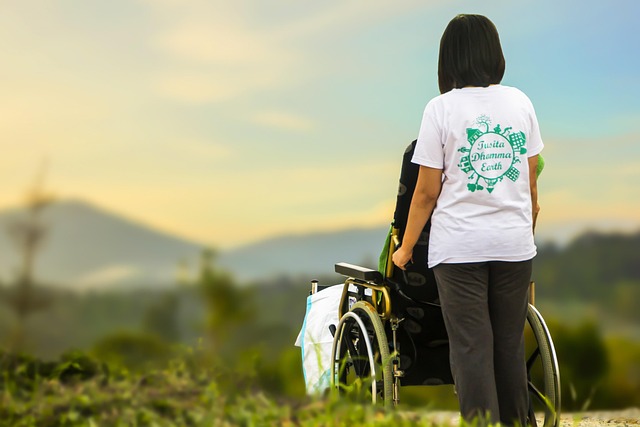
One of the biggest lessons I learned from this experience was the importance of having additional support.
When people think about traveling with special needs in Japan, they often focus on:
- Accessible hotels
- Transportation
- Medical facilities
However, emotional comfort and daily assistance are equally important.
Extra support can include:
- Professional tour guides
- Private nurses
- Caregivers
- Travel assistants
Each person provides a different type of help.
The Role of a Professional Tour Guide
A knowledgeable local guide can help families by:
- Creating realistic itineraries
- Choosing suitable attractions
- Avoiding unnecessary waiting
- Communicating with restaurants and staff
- Adjusting plans when situations change
Japan can sometimes be challenging for visitors because of language barriers.
A guide can explain situations clearly and help create smoother communication between travelers and local people.
The Role of a Private Nurse or Caregiver
A private nurse or caregiver provides a different type of support.
They can assist with:
- Personal care
- Health-related needs
- Monitoring during sightseeing
- Providing parents with short breaks
For some families, having professional support even for a few hours can completely change their travel experience.
It can mean:
- Parents enjoying a quiet meal together
- A couple visiting a museum comfortably
- One parent taking time to shop
- The entire family feeling less pressure
Travel should be a positive memory for everyone—not a situation where parents spend every moment worrying.
A Final Reflection from My Experience
After spending three days with this family, I realized something important.
Many parents of children with special needs spend their daily lives constantly providing support.
During a vacation, they often continue doing the same thing.
They are still parents, caregivers, planners, and problem-solvers.
But they are also travelers who deserve to enjoy Japan.
The right support does not replace the family experience.
Instead, it gives families more opportunities to create happy memories together.
That is why I believe services such as professional guides, private nurses, and caregivers can play an important role in making Japan travel with special needs more comfortable and enjoyable.
Practical Tips for Families Traveling to Japan with Special Needs

Based on my experience as a tour guide, here are some practical tips that may help families planning a trip to Japan.
1. Plan Fewer Activities Each Day
Japan has many amazing attractions, but trying to visit too many places in one day can quickly become exhausting.
For families with special needs, a slower itinerary often creates a better experience.
Instead of planning:
- Three or four major attractions in one day
Consider:
- One main attraction in the morning
- A relaxed lunch
- A short afternoon activity
- Time to rest at the hotel
A flexible schedule allows everyone to enjoy the trip without unnecessary stress.
2. Allow Extra Time Between Activities
In Japan, distances can be longer than they appear on a map.
A location that looks “nearby” may still require:
- Walking to a station
- Finding an elevator
- Waiting for transportation
- Navigating crowded areas
Always include extra time between activities.
A relaxed schedule is especially important when traveling with children who may need more time to transition between places.
3. Take Regular Breaks
Rest is not wasted time.
For many families traveling with special needs, breaks are an essential part of a successful vacation.
Consider:
- Café breaks
- Indoor shopping areas
- Quiet parks
- Returning to the hotel earlier
A short break can prevent a difficult situation later in the day.
4. Prepare for Japan’s Weather
Japan’s weather can be challenging, especially in summer.
During hot months:
- Carry water
- Bring sunscreen
- Use a hat or umbrella
- Avoid the hottest afternoon hours
- Choose air-conditioned places for breaks
During winter, prepare for cold temperatures and sudden weather changes.
Comfortable clothing and proper preparation can greatly improve the travel experience.
5. Bring Familiar Items from Home
New environments can be exciting, but they can also be overwhelming.
Many families find it helpful to bring familiar items such as:
- Favorite snacks
- Headphones
- Favorite toys
- Comfort items
- Downloaded music or videos
Small familiar things can provide a sense of security during a long international trip.
6. Prepare Internet Access Before Arrival
If your child uses:
- Music apps
- Videos
- Translation apps
- Communication apps
consider purchasing a tourist SIM card or eSIM before or shortly after arriving in Japan.
Free Wi-Fi is not always available everywhere, and reliable internet access can make your trip much easier.
7. Consider Private Transportation
Japan’s public transportation system is excellent, but it may not always be the easiest option for every family.
A private vehicle can provide:
- More flexibility
- Less walking
- A quiet place to rest
- Protection from heat and rain
- Easier movement with luggage
For destinations such as Hakone, Mt. Fuji, Kyoto, or countryside areas, private transportation can be especially helpful.
8. Consider Professional Support
If your family needs additional assistance, consider arranging:
- An English-speaking tour guide
- A private nurse
- A caregiver
- A travel assistant
Support services allow parents to enjoy their vacation with greater peace of mind.
Frequently Asked Questions About Traveling in Japan with Special Needs
Can I hire a private nurse while traveling in Japan?
Yes. Private nursing support can be arranged for international visitors traveling in Japan.
Depending on your needs, a private nurse may accompany your family during sightseeing, provide support at your accommodation, or assist during specific activities.
Advance planning is recommended, especially during busy travel seasons.
▶▶Private Nurse Service in Japan JUNA
Can a private nurse accompany us during sightseeing?
Yes.
Private nurses or professional caregivers may be able to accompany families during sightseeing activities throughout Japan.
The type of support depends on each person’s needs and the availability of qualified staff.
Do private nurses in Japan speak English?
Some private nurses can communicate in English, but many Japanese healthcare professionals are more comfortable working in Japanese.
If language support is important, combining a private nurse with an English-speaking tour guide or interpreter may provide the smoothest experience.
Can adults with special needs also receive travel support?
Yes.
Travel support is not only for children.
Adults with disabilities, elderly travelers, or anyone who needs additional assistance during a trip may also benefit from professional support.
Can I book support for only one day?
Yes.
Many families do not need assistance for their entire trip.
Some choose to arrange support only for:
- A busy sightseeing day
- A long excursion
- A shopping day
- A theme park visit
- A special activity
Short-term support can sometimes make a big difference.
Can a private nurse accompany us to places like Kyoto, Mt. Fuji, or Tokyo Disney Resort?
Support may be arranged for destinations throughout Japan.
When planning longer day trips, it is important to discuss:
- Travel time
- Required assistance
- Schedule
- Transportation arrangements
in advance.
Is Japan accessible for travelers with disabilities?
Japan has made significant progress in accessibility, especially in major cities.
However, travelers may still encounter challenges such as:
- Crowded transportation
- Long walking distances
- Complex stations
- Limited space in older buildings
Good planning and local support can make the experience much easier.
What should I do if my child becomes overwhelmed during sightseeing?
If your child becomes uncomfortable or overwhelmed:
- Move away from crowded areas if possible
- Find a quiet place
- Allow time to rest
- Avoid forcing the next activity immediately
A flexible itinerary is often the best solution.
Remember that changing plans is not a failure—it is part of successful travel.
Should I tell hotels and restaurants about my child’s needs?
If your family requires specific support, communicating in advance can be helpful.
Hotels and restaurants may be able to prepare better when they understand your situation.
A local guide or interpreter can also help explain your needs.
Is it better to visit Japan with a private guide?
For many families with special needs, a private guide can reduce stress.
A local guide can help with:
- Planning realistic schedules
- Choosing suitable attractions
- Avoiding unnecessary waiting
- Communicating with local businesses
- Adjusting plans when needed
Final Thoughts: Every Family Deserves to Enjoy Japan
After this experience, I realized that traveling with a child with developmental disabilities is not about overcoming limitations.
It is about creating the right environment where everyone in the family can enjoy the journey.
Japan is a fascinating country with incredible culture, food, nature, and hospitality.
With thoughtful preparation, realistic expectations, and the right support, families with special needs can create wonderful memories here.
Parents who care for children with special needs often spend much of their daily lives thinking about others.
During a vacation, they also deserve time to relax, explore, and enjoy themselves.
A successful trip is not measured by how many attractions you visit.
It is measured by the smiles, comfort, and memories your family brings home.
Need Support for Your Japan Trip?
If you are planning traveling with special needs in Japan and would like additional support, we can help arrange services such as:
- English-speaking private tour guides
- Private vehicles with drivers
- Private nurses or caregivers
- Customized sightseeing plans
Our goal is to help families enjoy Japan with greater comfort, confidence, and peace of mind.
Please contact us before your trip so we can discuss your family’s needs and create a suitable plan.




No comments yet.